3D-print companies paving own path in housing
MELBOURNE: 3D print companies are eyeing the multigenerational affordable housing sector in the developed countries.
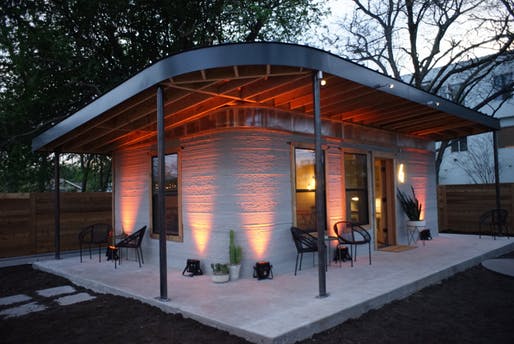
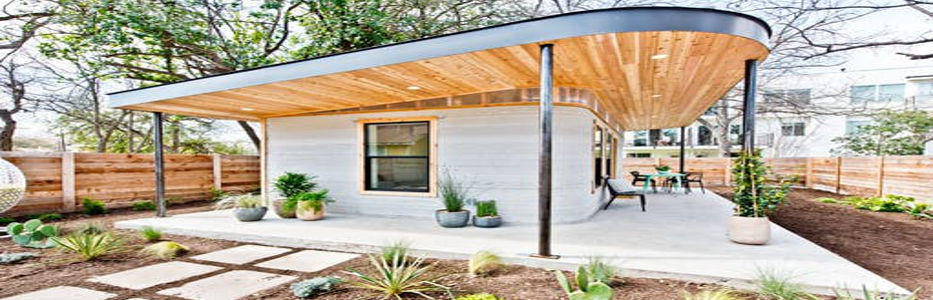
New Story and ICON’s first 3D-printed home model in Austin, TX. The home is 650-square-feet and made out of layered cement. According to ICON, the house takes less than 24hrs to construct ranging in about $4k to make.
Some have speculated it could be the solution to the country’s affordable housing crisis by providing a quick infusion of lower-priced homes in areas starved for housing inventory. Some affordable housing experts, however, caution that the technology is not a panacea.
We’ve all seen videos of a giant robotic arm assembling layers of material which would later turn into a completed home 12-24 hours later. Some companies are imagining how this type of technology could impact homelessness and affordable housing. Although 3D-printed homes are a favorable alternative, why has the housing industry remained slow in adopting this building method? According to Shawna Chen, the gap between housing development and 3D manufacturing could be closing.
Dee Walsh the chief officer of strategic development for Mercy Housing shares with Chen, “The cost to build housing and the amount of subsidy or low-cost financing available to make it affordable—there’s a gap there,” Walsh said. “We don’t have enough subsidy and soft financing to make traditional housing affordable. … The low markets are probably around $150,000 to $200,000 a unit; that would be in the Southeast U.S. In California, you’re looking at between $600,000 and $700,000 a unit to build an apartment. Clearly that’s not an affordable price for most folks.”
With the amount of possibilities 3D-print technology has companies like ICON, Apis Cor, and Sunconomy are finding ways to pave their own path in housing and construction. CEO of Sunconomy Larry Haines explains, “There’s a lot of people right now that need housing out of Hurricane Michael, out in Northern California, along the Gulf Coast where we live in Texas. There are still whole cities or towns decimated from Hurricane Harvey a year ago,” Haines said. “That’s the biggest challenge; it’s not whether I can pump concrete through hose. … It’s: ‘Can I build somebody’s house to get them back into a lifestyle they’re used to?”