Trend to HomeSharing by the elderly taking off

MELBOURNE: The HomeSharing concept could be the affordable housing solution for both seniors and students. The St. Albert Housing Coalition is offering an online presentation on Thursday to get residents to be more aware of the opportunity and to develop a strategy for homeshare that works for residents.
HomeSharing might just be the next big thing in affordable housing in St. Albert, and presenters are inviting all to an informational presentation on Thursday.
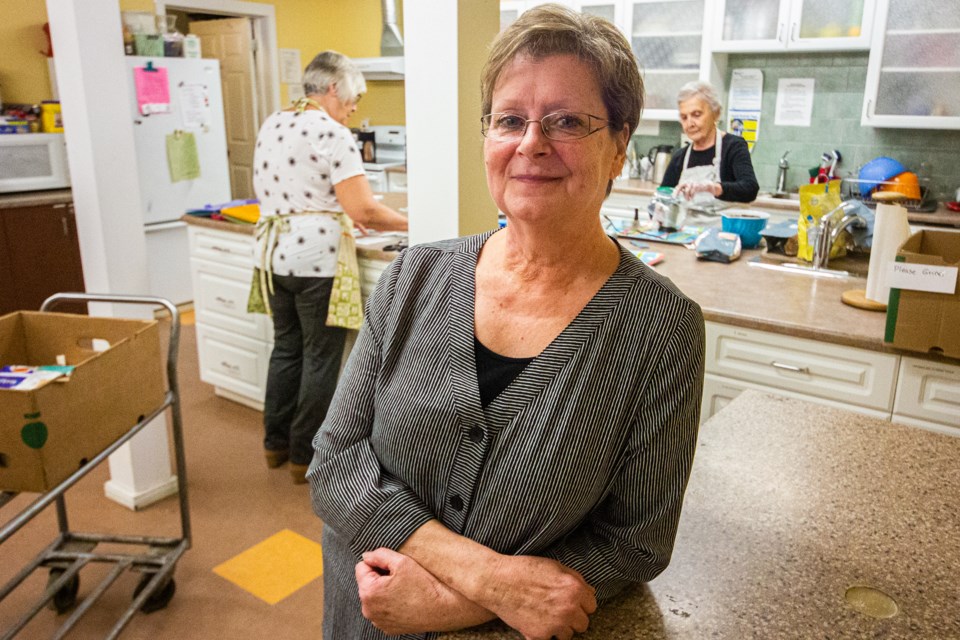
“It’s another possibility for affordable housing within St. Albert,” suggested Suzan Krecsy, the executive director at the St. Albert Food Bank and the main contact for the presentation.
She said HomeSharing is a shared living arrangement that touches on a lot of the issues that surround housing and living arrangements in the city, potentially solving multiple problems at the same time.
“It could help with someone like a senior who’s lonely and wants someone in the home. It could be companionship. It could be getting more affordable rent by doing some chores, like a university student living with a senior and doing some work around the house – walking the dog or mowing the lawn and shoveling snow – and then a reduced rate for renting a room.”
“It can benefit a lot of different folks. It doesn’t just have to be seniors. It can be, say, two moms leaving domestic violence and they’ve got kids and they can support each other by shared childcare … things like that.”
Affordable housing in St. Albert has seen some successes, but overall the basic challenges still exist after years and years of effort. According to MLS, current stats indicate the average price of a house for sale in the city is nearly $420,000.
“It’s really tough to get people housed,” she continued. “I can say that up to 61 per cent of food bank clients coming in any one month are paying more than 50 per cent of their income on rent. Those are folks that are really struggling.”
The St. Albert Affordable Housing Strategy put forth in 2005 suggested 12 to 16 per cent of city residents are in “core housing need”, meaning they pay more than 30 per cent of their income for suitable housing.
Krecsy added some people have presented concerns about new shared housing arrangements during the pandemic “but rooms are still being rented during COVID. There’s protocols in place. We just have to move ahead and make sure that we’re including all the protocols.”
The presentation by the St. Albert Housing Coalition will consist of PowerPoint slides over a Zoom videoconference. Organizers originally intended to hold this event in March, but they were forced to postpone it due to the pandemic. It is also scheduled for 7 to 8 p.m. on Thursday, June 25 so it can accommodate residents who couldn’t make the last event.
“We wanted to offer an evening one so that folks working during the day could access some information.”