Social housing design worldwide on steady improve
LONDON: The quality of design, layout and inclusions within new social housing projects continues a recent worldwide improvement.
Hamilton’s recently revitalised retail precinct of Frankton and community housing projects across the city could be the beneficiaries of a rejig of the Hamilton City Council’s development contributions policy.
However, developers with aspirations of constructing towering buildings in the city centre might not be quite so thrilled with a suite of proposals that will be scrutinised and debated at Thursday’s council meeting.
If councillors concur with a recommendation from the organisation’s staff, they will approve in principle the proposed changes for a draft of a revised policy.
These include the introduction of a 33 per cent remission on development contributions for projects in the Frankton area, as a mechanism to incentivise further investment in the ongoing rebirth of the historic neighbourhood.
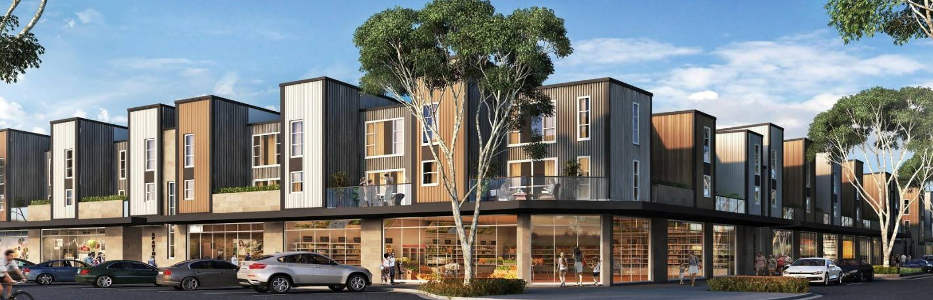
Frankton is now the scene of many changes, including the construction of Rawhiti Village – a $40 million development over 7000sqm, on a former Forlongs Furnishings site that will eventually house 75 apartments and have space for around 26 retail and commercial tenants on the ground level.
Other proposals include extending the current 66 per cent remission on development contributions for Hamilton’s central business district for another three years; and providing a 100 per cent remission for social housing initiatives by approved providers.
Development contributions, the fees property developers have to pay, are one of the main tools available to councils to help fund infrastructure needed to facilitate growth.
Councils can refund developers for the development contributions they make in a form of a remission payment – however how much these are, and to what kind of projects they should apply, poses a tricky question.
The equation is particularly difficult in high-growth areas such as Hamilton. If the development contributions are too high, they will deter property developers from initiating new projects. If they are set too low, ratepayers end up paying an unreasonable portion of the cost of the new infrastructure.
The council reviews its development contributions policy every three years as part of the preliminary work for the long term plan – and that time is now nigh.
One possibility councillors asked staff to look into – but staff are not recommending – is the development of a total remission for developments in the central city that are six storeys or higher.
That’s partially because of the current 66 per cent remission already in effect and partially because a total remission would not be enough of an incentive for developers, who already face massive costs of more than $10m to build a six-storey apartment building.
“Ultimately, the DC is not the reason a high-rise building is challenging to get off the ground,” the report by economics and policy programme manager Stafford Hodgson states.
The CBD remission could be interpreted as working with one measurement yardstick, the value of consents for commercial and retail investment in the central city, reaching $40.6m so far this year.
The 100 per cent remission for social housing is seen by the council’s staff as a good stimulant for the provision of social housing in Hamilton. It is anticipated less than 30 new houses per year would qualify for the remission, and the estimated cost to ratepayers over the 10-year period would be no more than $12m.
Chris Dinan, the founder of CBD Developments, the company behind the Rawhiti Village Development said any financial assistance from the council would be returned in kind.
“We haven’t got a 33 per cent remission at this stage, but we would be all for it. If we got it, we would instantly reinvest it with more jobs and more facilties for the community.”
The demand for apartment-style accommodation in Frankton was high, with all 31 apartments of the first stage of Rawhiti Village having sold.
His firm was now marketing the second stage, which comprised 44 further apartments.
Meanwhile, an application for a judicial review of Hamilton City Council’s development contributions policy has been filed in the High Court at Hamilton.
City council chief executive Richard Briggs recently told Stuff the council was taking legal advice and reviewing the information provided.
A hearing has been scheduled for April next year.


