Shopping centre to have 30 granny units in updated development plan

LONDON: Granny units are set to be incorporated within a re-crafted shopping precinct and community plan.
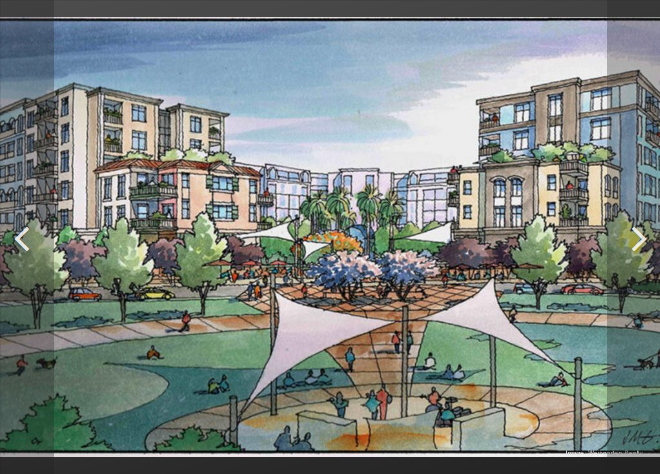
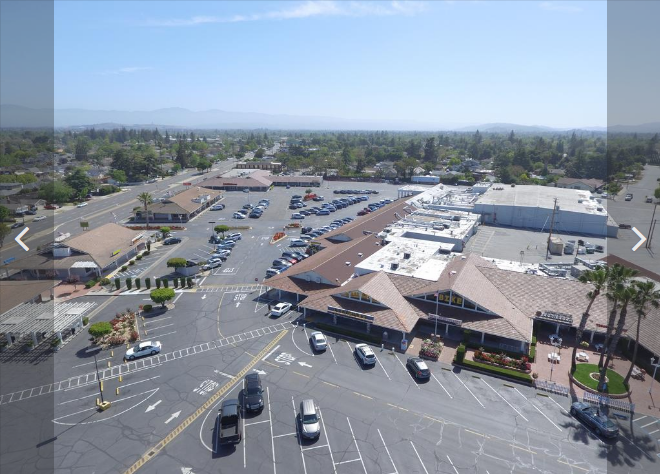
San Jose’s Cambrian Park Plaza could eventually be home to 30 houses with so-called granny units, under an updated plan to redevelop the 1950s-era shopping center.
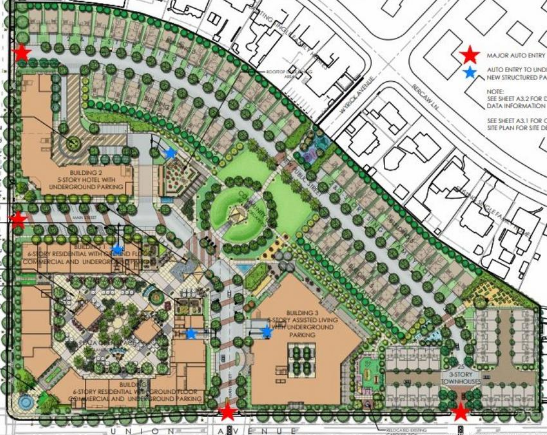
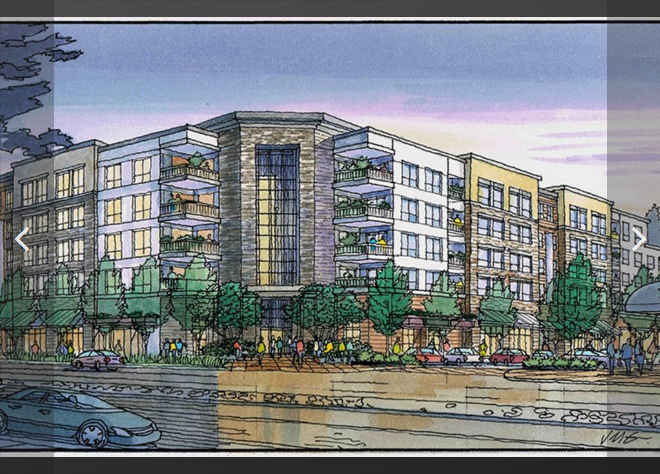
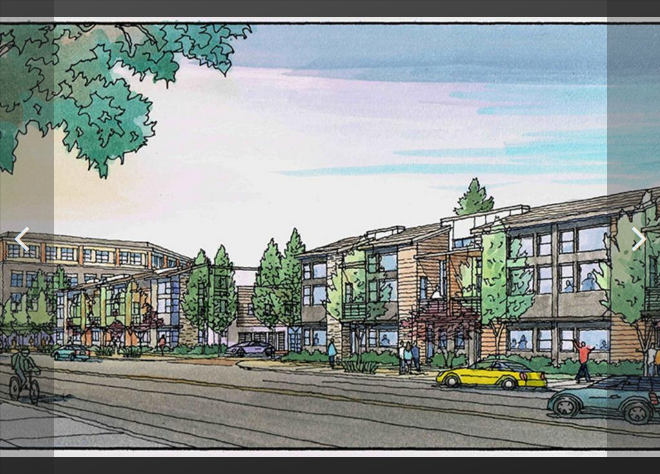
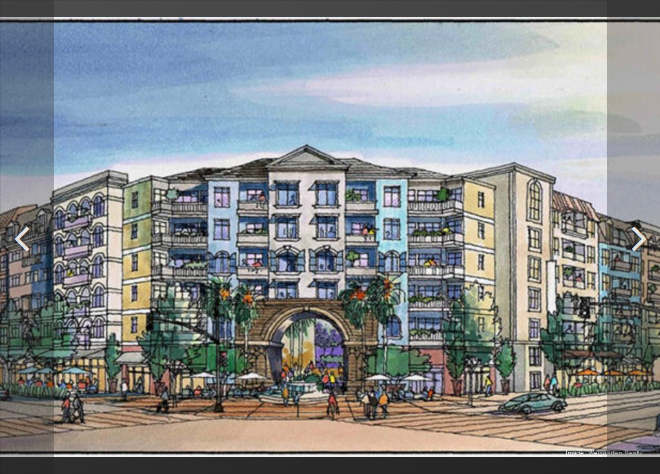
Weingarten Realty Investors, which owns the 18-acre site underlying Cambrian Park Plaza, plans to build 48 single-family homes on it as well as other types of housing as part of its plan to turn it into a mixed-use village. More than half of those homes will be three stories tall and will have small, separate dwellings on their ground floors with their own entrances, Weingarten revealed in updated plans it filed with the city Jan. 29.
Those granny units, also known as accessory dwelling units, or ADUs, could be used to house a family’s elderly parents or college-aged children or be rented out to non-family members.
San Jose City Councilmember Pam Foley, who represents District 9, which includes the shopping center, is excited that Weingarten added the granny units to its plan.
“I’m a huge supporter of ADUs, so I support Weingarten adding ADUs to the single-family units,” Foley told the Business Journal Monday. Adding granny units is “one way to naturally add affordability into any project.”
Houston-based Weingarten submitted a formal project application last August, but that proposal did not include granny units. The real estate investment trust did not respond to a request for comment by press time.
The addition of those units is noteworthy because Weingarten has not decided whether to build designated affordable housing on the site — or whether, instead, to pay an in-lieu fee to the city.
Foley, who has been working with Weingarten to evaluate development options for the property for more than four years, supports including affording housing in the project. But the project developer is still trying to figure out whether it would be financially feasible, she said.
Granny units have been gaining traction among local policymakers as a relatively easy way to make more affordable housing available. City leaders have previously relaxed rules to make it easier for existing homeowners to build such units in their backyards, typically separate from the main house.