Researcher discusses ‘rapidly growing demand’ for one housing type

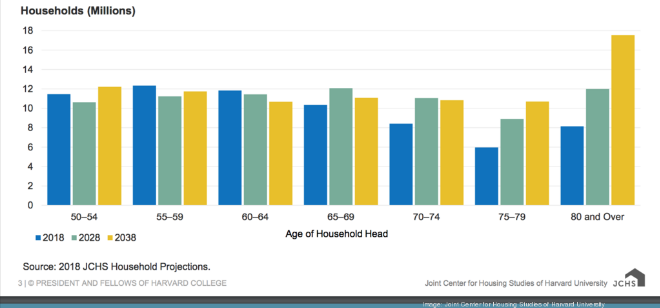
LONDON: Over the next 20 years, households in their 80s will be the fastest growing age group says a Harvard Researcher.
Too few of the nation’s homes are ready to accommodate the demographic shift of the next decade, Harvard University senior research associate Jennifer Molinsky said during a recent Habitat for Humanity of Greater Memphis panel.
By 2038, 10 million Americans older than 79 will be living alone and more than a third of U.S. households will be headed by someone older than 64, Molinsky said. Many of the entrants to these categories — younger baby boomers — have limited resources, as they fared worse economically than older baby boomers, on average.
“There will be rapidly growing demand for living environments that are more supportive of older people … who have limited incomes to spend on housing,” Molinsky said.
Meanwhile, less than 4% of the nation’s housing has the combination of single-floor living, a no-step entrance, and wide enough doors for wheelchairs, she said.
As far as the type of housing, the percentage of older Americans who are homeowners is declining, while more are living in low-density areas.
The panel — which can be viewed in its entirety here — was the second part of Habitat for Humanity’s recently-completed Tennessee Health + Housing Summit.
The summit covered the need for improved elderly housing, potential solutions, and the benefits of these improvements.
One common theme was that housing improvements designed for seniors can end up benefiting everyone — just like curb cuts in sidewalks were designed for wheelchairs but were a major improvement for users of strollers, suitcases, and bicycles.