Living with uncertainty in an RV-tiny house community

AUCKLAND: The trend towards occupying tiny houses in highly mobile ever changing communities is starting to grow.
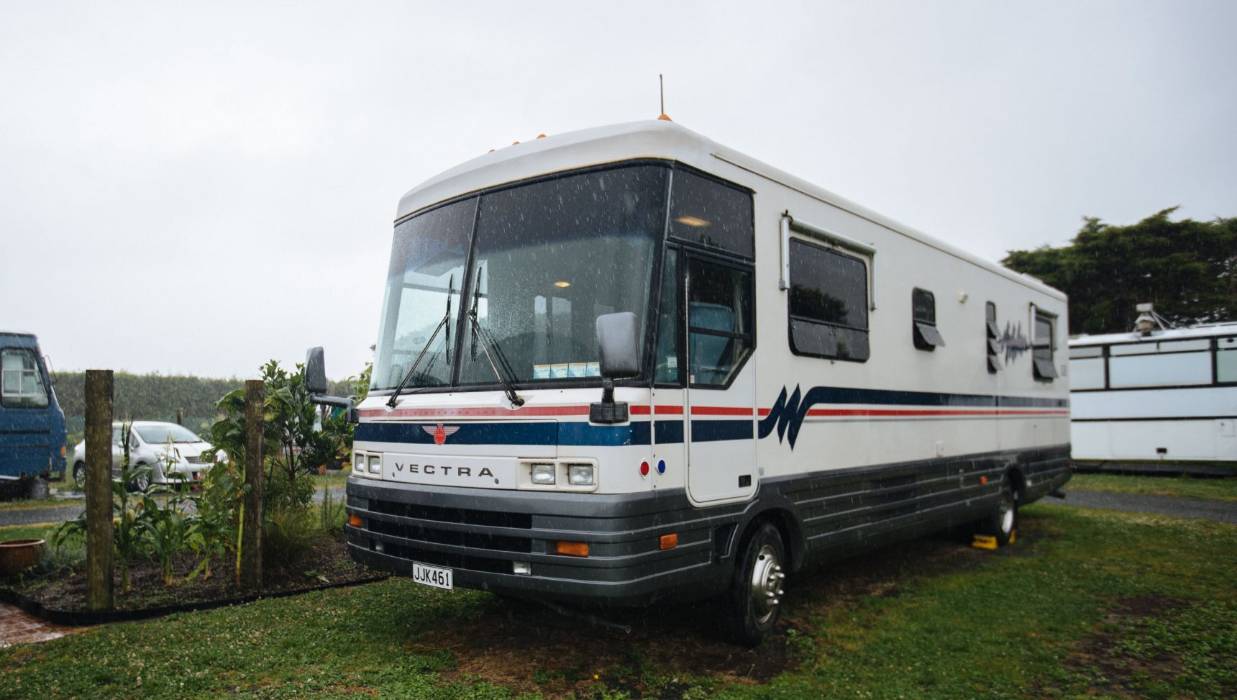
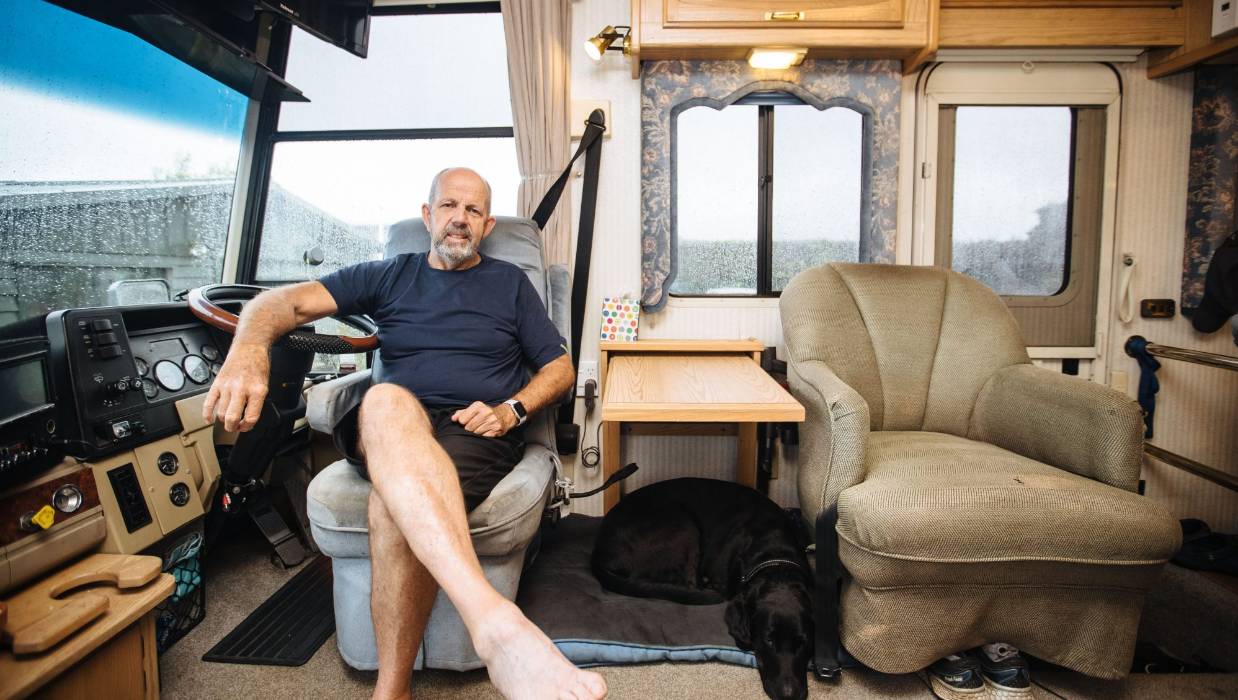
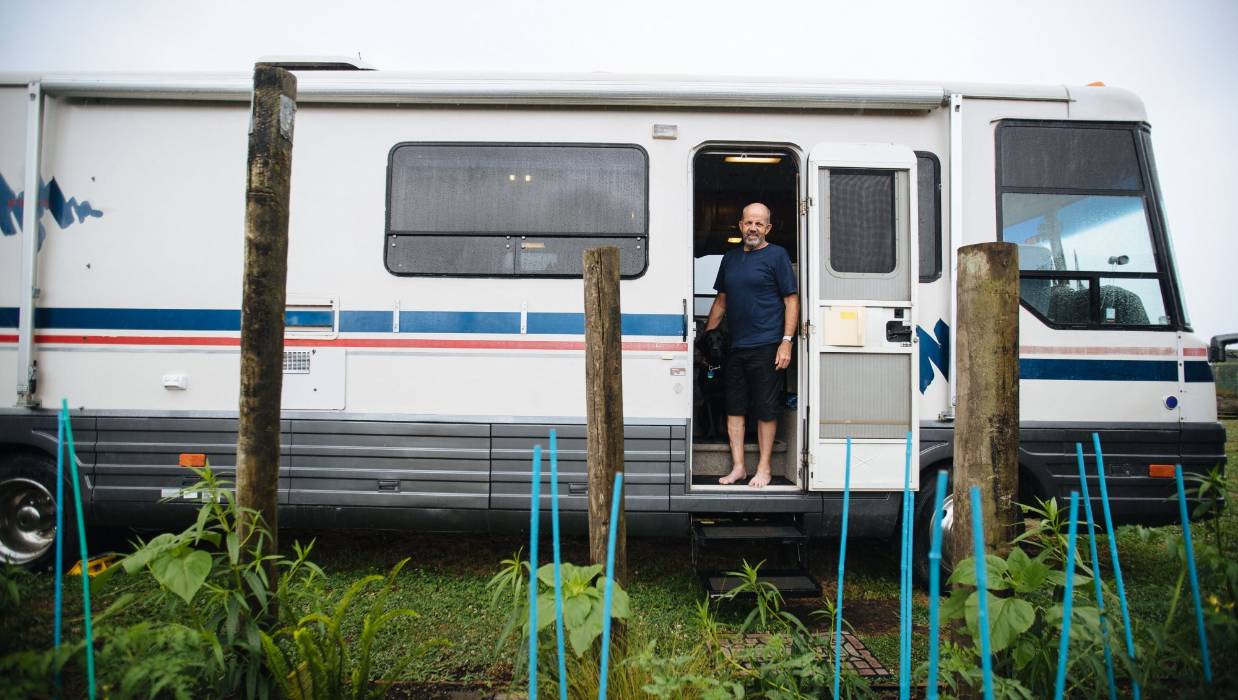
Peter Dredge loves his 11m-long Winnebago, but needs to park in one spot to visit his sick wife, and there is a question mark over the future of the wee community where he is based.
There’s a group of people out west who appear to have found the perfect lifestyle.
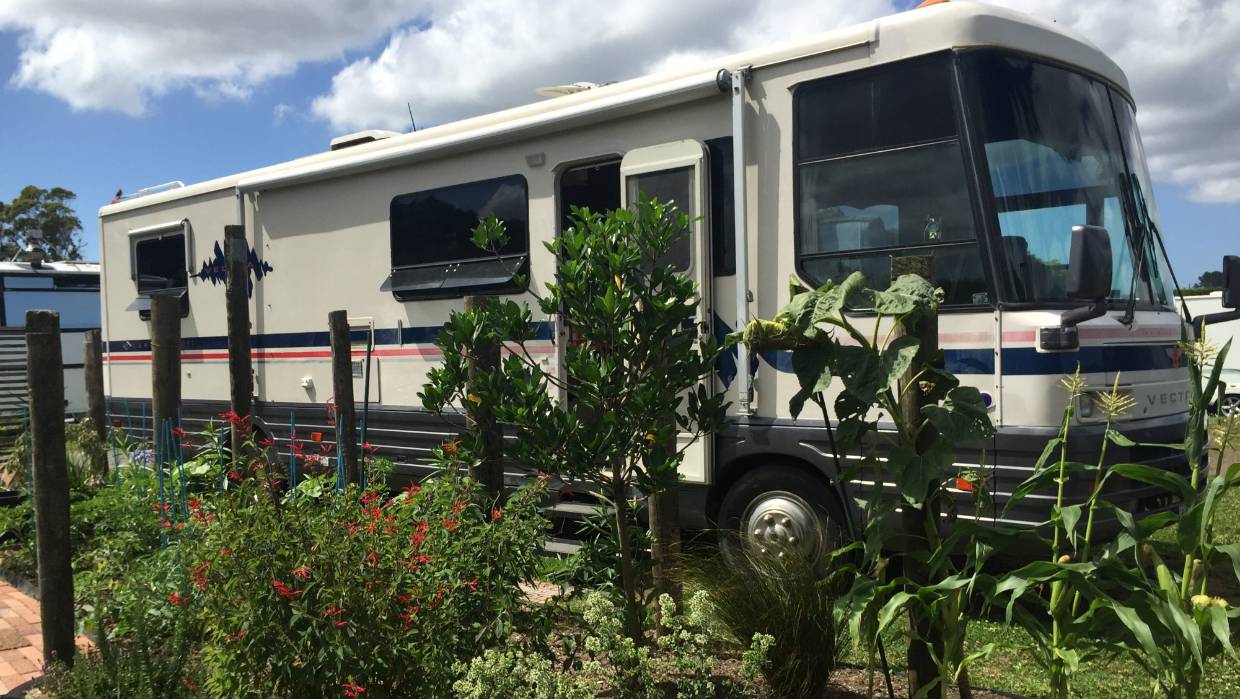
They live on several hectares, on sites they rent by the week for around $120. Some are in RVs and converted buses, while others have put down more permanent roots and built a tiny house.
They have gardens, including a shared one, and they tick along together rather well.
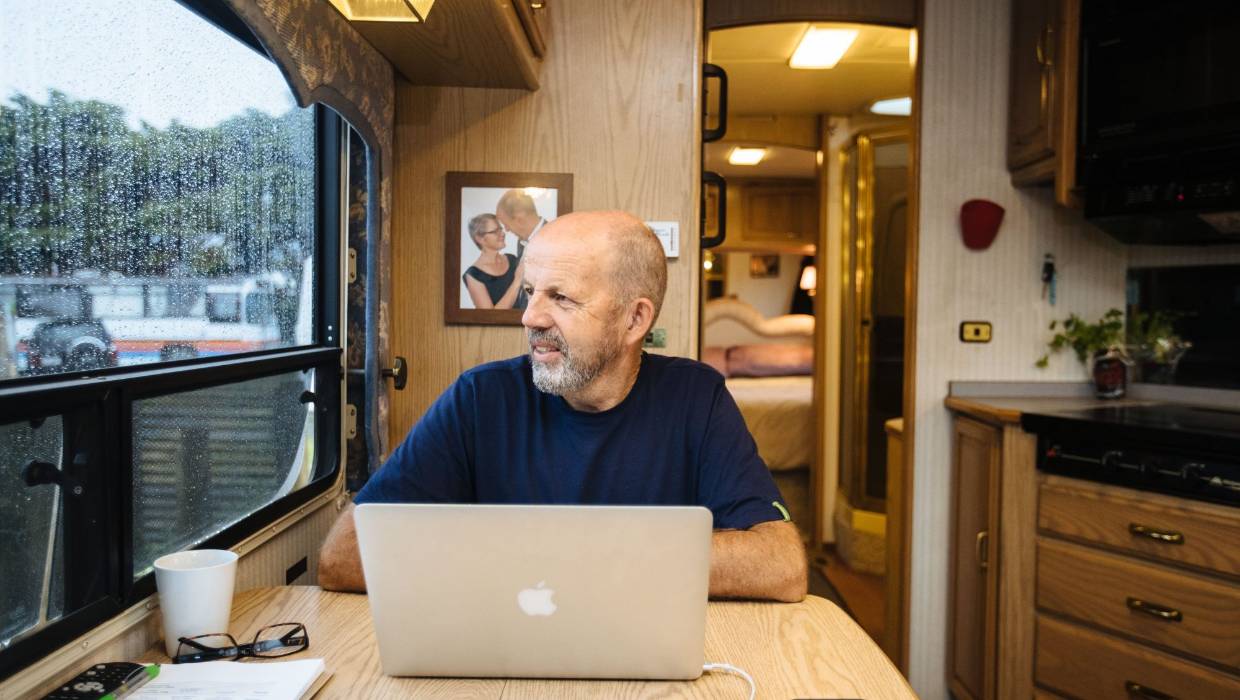
Peter Dredge, who lives in a 25-year-old Winnebago RV, is often call the “Mayor of *** (undisclosed address). He’s earned that title because he has everyone’s interests at heart. And top of that list is his wife Ann, who has Alzheimer’s and lives down the road in a rest home.
“My travelling days are over for the time being,” he says. “We spent a long time with a base at a campground in Paeroa, close to the Hauraki Trail, which was wonderful, and then in Cambridge. But now I need to be here so I can visit Ann and feed her lunch every day. If I wasn’t doing that, we would be off around the country – that’s our preference.”
But even in this peaceful idyll, nothing is certain. Dredge says the group and owner were visited recently by a council representative who said the owner would shortly be served with an abatement notice.
“It is likely the site will most likely need to be registered as a campground and will have to be consented. It is not an automatic thing. But the council seems to be very helpful, and is aware of the need for sites like this where people can live and feel safe in a small community.”
Dredge, who is helping the owner with the process, says the subject is a political hot potato, with housing in Auckland at unaffordable levels for many people. “It’s easy enough for me to start up the RV and drive off to park somewhere else, but it’s a different story for some of the others who need the security and are firmly established here.”
The 11m-long Winnebago is the sixth home on wheels the Dredges have owned, and the largest. Peter Dredge bought the vehicle in Dunedin at the end of 2017, and drove it back up the country.
“It’s an amazing way to travel. It like riding on a magic carpet, except you are up high.”
He was accompanied on the journey by the couple’s labrador Lexus, who is a registered assistance dog, trained to help Ann. Ironically, the large dog barrelled into Dredge not long after they got her, breaking his knee and leg.
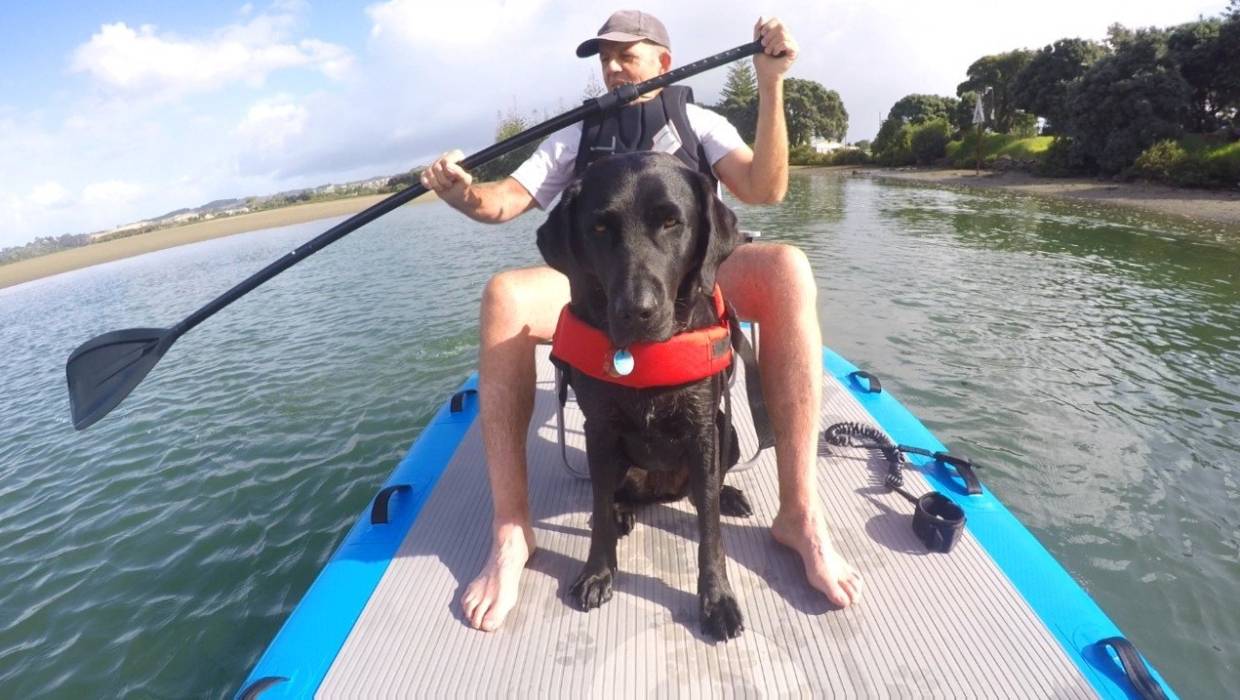
Lexus goes everywhere with her owner, visiting the rest home, and has even been filmed out paddleboarding on Lake Pupuke.
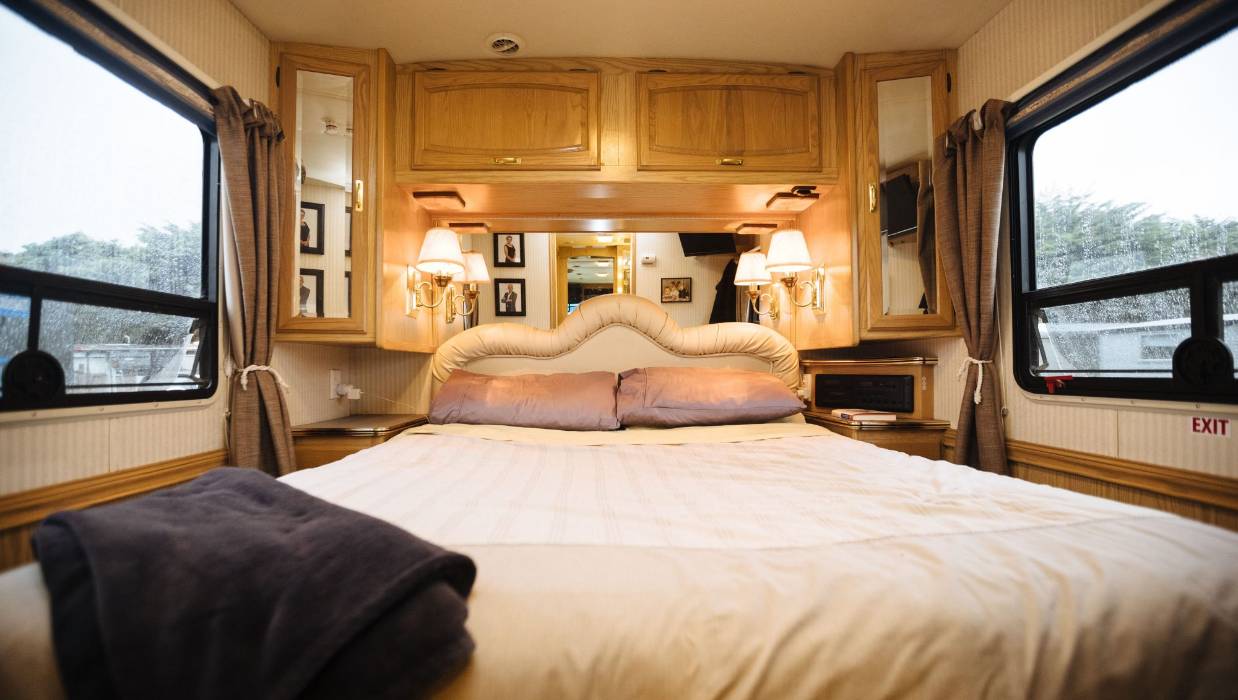
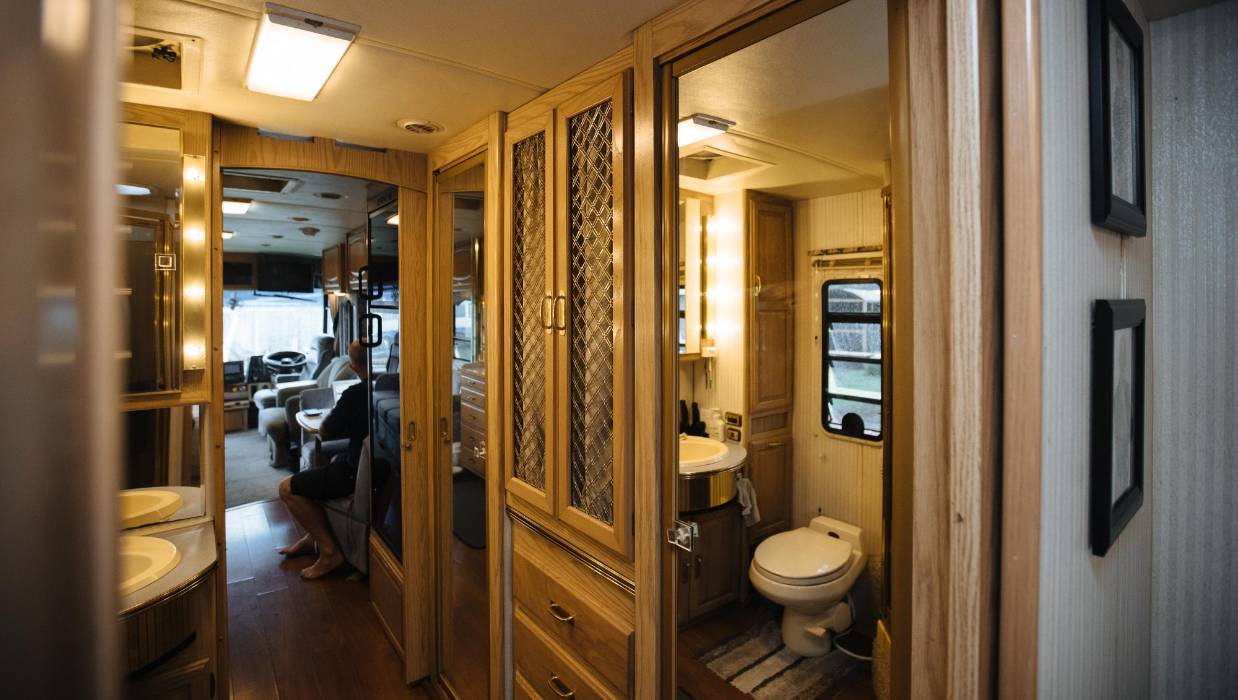
Dredge says the fully insulated RV, being American, is a lot more comfortable than a car. The driver’s and passenger’s seats resemble armchairs, and the decor reflects a typical Midwest American suburban home.
“At first, I wasn’t sure about it. Then I thought we’ll go with it. It’s a bit like living in a stage set.”
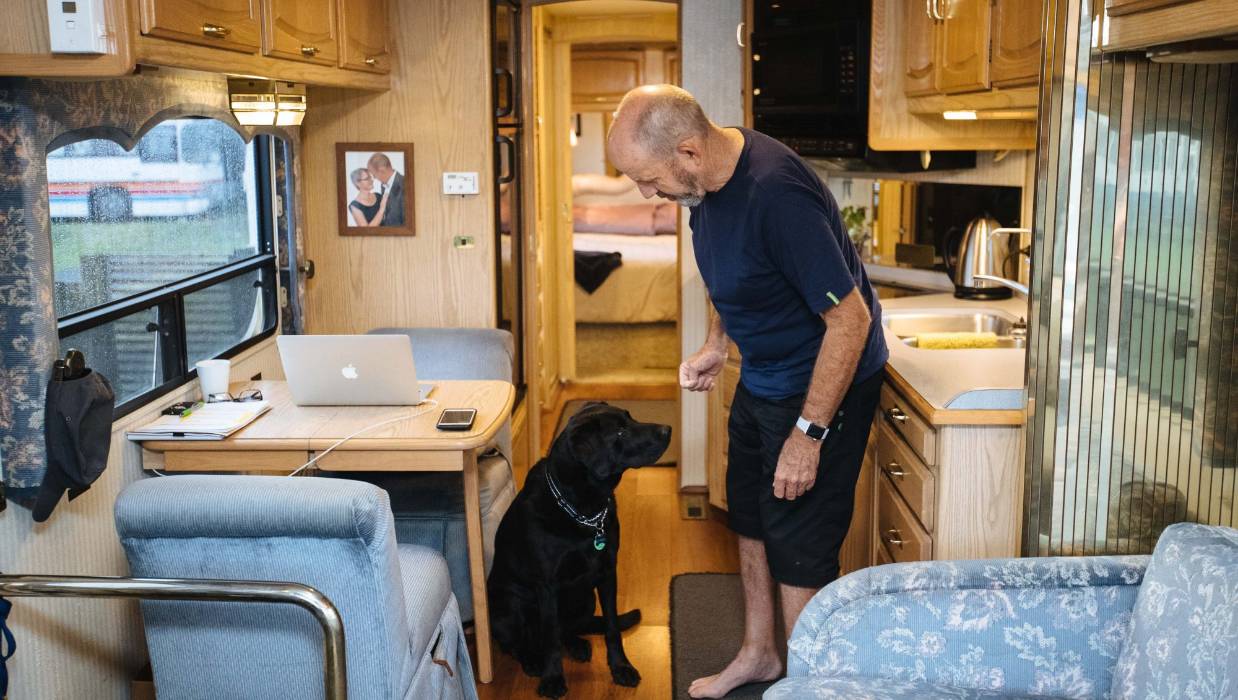
Home comforts include air conditioning, full streaming internet access, a large refrigerator, microwave-convection oven, cooktop, full bathroom with a shower and toilet, a dining table and a bedroom with a queen-size bed. The blackwater (sewerage) is emptied at a depot once every four weeks, and the greywater once a week.
There’s a satellite dish on the roof for TV, but Dredge doesn’t bother with it, because he is too busy.
His special projects on the go include two he is most passionate about – a website that promotes research into delaying or preventing the onset of Alzheimers and potentially reversing its progress, and a website (The Young and the Nestless), in development, that aims to help first-home owners get onto the property ladder with alternative housing choices. Dredge recently published a book, ‘Beating Alzheimer’s, The Enemy at the Gate’.
He has no problem working from his RV. “Our last house was a 320 square-metre apartment in Browns Bay, but we found it tied us down.”
Dredge says he has noticed a surge in baby boomers downsizing to a life on the road “off the back of rising house prices”. “Some of them will spend $200,000 to $300,000 on fancy campers, while others will spend just $25,000 on a converted bus, or they will opt for an RV, such as we have – this one was $90,000.”
However, he admits a caravan the couple owned for several months was the most economical option. “It was easy to look after, although we found it a bit too confined. The problem with an RV is the cost of repairing the engine (diesel) should anything go wrong. That would be around $20,000.
“But I find this a lot more comfortable than a caravan. I have all the comforts of home, and I can pack up and go in half an hour.”