New Alzheimer’s drug set to be approved for use
LONDON: A new drug developed to tackle Alzheimer’s disease is said to be about to get the official go-ahead for use in Britain.
Lecanemab, produced by Eisai, a Japanese pharmaceutical firm, slows down the early stages of the disease. It has been undergoing an assessment before approval by medicine regulators.
The Medicines and Healthcare Products Regulatory Agency (MHRA) is expected to approve its use to treat Alzheimer’s disease in its early form, allowing it to be prescribed privately in Britain.
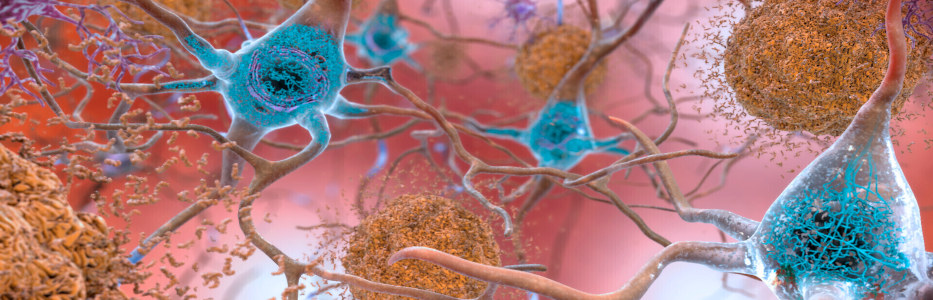
The drug was approved for use in the United States last year, where it is sold under the name Leqembi. It works by clearing a sticky brain protein called amyloid that is one hallmark of Alzheimer’s.
However, some experts have said that some patients experience side-effects such as brain swelling or brain bleeding.
The National Institute for Health and Care Excellence will advise the MHRA whether lecanemab should also be offered through the NHS.
The MHRA said: “We are currently completing a rigorous assessment of the evidence supporting lecanemab in the treatment of Alzheimer’s disease. Further information will be communicated in due course.”
The pharmaceutical company Eisai and the biotechnology company Biogen, which have been collaborating on the development of lecanemab, reported that early new clinical data suggested that more than 50 per cent of patients who started treatment in the earliest stage of Alzheimer’s disease continued to show improvement after three years of treatment.
The findings also suggested that Alzheimer’s continued to progress when treatment was stopped, indicating that patients continued to benefit by remaining on lecanemab.
John Hardy, a professor of molecular biology of neurological disease at the UCL Institute of Neurology, said: “There is no question this is the biggest advance for 30 years.”
However, University of Cambridge researchers warned this month that new drugs developed to tackle Alzheimer’s disease such as lecanemab would “not address dementia risk at scale”. The academics wrote in the journal Alzheimer’s & Dementia that the “small” effect the drugs have on the disease may not outweigh the risks of taking them.
Dr Sebastian Walsh, lead author and a doctoral fellow in public health medicine at Cambridge Public Health, said: “If approved, the drugs are likely to be relevant only for a relatively small cohort of Alzheimer’s patients, so potential recipients will need to undergo a range of assessments before being given access to the drugs.
“Plus, effect sizes seen in the trials are very small and the drugs will need to be administered as early in the disease process as possible, when symptoms are mild — and people in these phases of disease can be hard to identify.”
According to the Alzheimer’s Society, there are an estimated 982,000 people with dementia in the UK, and this number is expected to rise to 1.4 million by 2040.
Researchers have identified two new risks — high cholesterol and vision loss — that can be tackled to reduce the chances of developing the condition. According to the third Lancet Commission on dementia prevention and intervention, high cholesterol and vision loss are associated with 9 per cent of all dementia cases.
To reduce the risk of dementia throughout life, the commission made 13 recommendations for governments and individuals. These included making hearing aids available for all those with hearing loss, reducing harmful noise exposure and detecting and treating high cholesterol from the age of about 40.


