I’m still working at 70 because I love my job so much
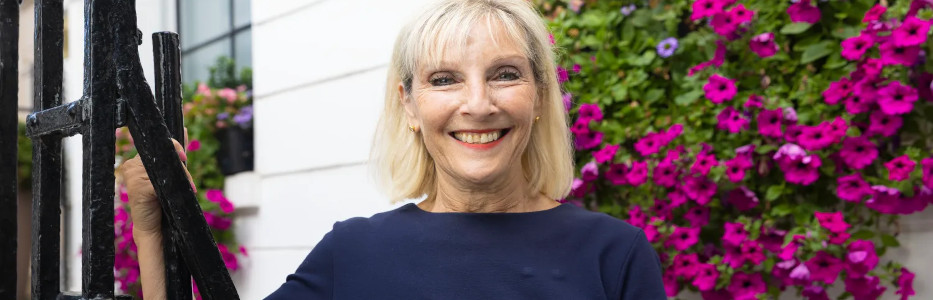
LONDON: Elaine Meltzer spends up to three hours of her day travelling to and from her job. She walks 22 minutes to the local station, gets the train into London and then jumps on the Tube to get to Harley Street, where she works in customer service for a private clinic.
What sets her apart from most workers, however, is that Meltzer, from Borehamwood in Hertfordshire, is 70 years old. She has been in her role for 16 years — and doesn’t plan to stop anytime soon.
“I love meeting new people every single day and I’m constantly learning. I’m mentally stimulated, I listen to people’s stories and I make sure that they experience the best customer service,” she said.
“I don’t love it when I finish work at 5pm and have to get on the Tube at Baker Street and I’m packed in like a sardine, but I’m more worried about getting my phone stolen than anything else. I thought about getting a badge, but I’m not old. I walk up to 20,000 steps a day when I work.”
Meltzer does three days a week at the clinic and owns her flat outright. She has a workplace pension and an annuity on top of her salary. While she estimates that she could get by without her job, the extra money means that she can travel and buy gifts for her two sons and five grandchildren. It also gives her “the freedom to sleep at night” knowing that she can pay all her bills.
She said: “It’s also about the satisfaction of going to bed thinking that I’ve done a good job that day. If I lost my job today I’d find another one tomorrow. I don’t want to be in a knitting circle or get up at 10am and go out for lunch with friends everyday.”
Saga, the over-50s finance company, estimates that by 2030 more than half the UK workforce will be 50 or older. Research from the insurer Canada Life found that 37 per cent of businesses reported employees retiring later than they did five years ago, while 21 per cent had seen retired workers coming back to work.
And for many, working for longer is about more than money. Canada Life found that only 25 per cent of workers aged 65 and over were still working out of financial necessity, while 42 per cent did it to stay mentally and physically healthy.
Nick Harding from Canada Life said: “We are seeing a profound shift in the workforce. As people live longer and work beyond the traditionally defined retirement age, there are changes in attitudes, openness and motivations for work in later life.”
Bryonie Swift is 64 but has no plans to give up work anytime soon. She runs a charitable company that puts on youth clubs for her local community in the Fens, in the east of England. She set it up after leaving her job at the local council working with underprivileged young people because after the pandemic it became a WFH role and Bryonie missed the social side of her job.
“I wanted to enjoy my last working days. I love a challenge, so I wasn’t looking for anything cushty or easy, and I wanted flexibility as I like to look after my granddaughter and go out with friends,” said Swift, who works 15 paid hours a week but also volunteers most nights at the youth club.
“I’m working with a lovely group of people who are all obsessed with youth work, and I just get a buzz. It gives you this natural high, you’re doing something good and you can see the impact in the community.”
It is her only income until she can get her council pension and the state pension once she turns 67. She could live off her partner but prefers to contribute, and enjoys treating her grandchildren to larger one-off expenses such as school shoes and coats. Even when she does get a pension, Swift still intends to keep working.
She said: “I can’t imagine ever not doing it. It gives me something to do, keeps my mind occupied, keeps me physically able. I don’t want to become one of those old ladies who just sit at home and grumble about the world. The more engaged you are, the better your life is.”
Working beyond retirement age, or a gradual retirement where you reduce your working hours, can also help stretch out your pension.
According to the investment firm AJ Bell, someone with a pension pot worth £450,000 would run out of money at 83 if they retired fully at 60 and needed a post-tax income of £31,700 a year. This is the amount that the Pensions and Lifetime Savings Association calculates is needed for a single person to have a “moderate” living standard in retirement.
If the same person continued to work one day a week for five years (until they were 65), their pot would last until age 86. This assumes that they earned one fifth of the average £35,000 salary. Working more than two days a week until 65 could make that pot last until they were 91, while doing four days a week should ensure that their fund lasted until they were 100.
All these calculations assume that the state pension increased 2.5 per cent a year, that their earnings and the “moderate” income required went up 2 per cent a year, and that the pension pot achieved 4 per cent annual investment growth.
For Heather Sullivan from Chichester, working longer has a double financial benefit: the income means that she is setting herself up for a nicer retirement by using less of her pension savings today, and it helps her fund her lifestyle and support her children.
Sullivan, 62, teaches art to young adults with additional needs and has no intention of retiring any time soon.
“I’m definitely going to work for a good while longer. I’ve already taken my teacher’s pension, which means that I’m not dependent on every penny from work, and it means I can pay for things like swimming lessons for my grandchildren to help my family out,” said Sullivan, who works three days a week. “My daughter and son-in-law do shiftwork, so I fit in around when they need us to help out with childcare.”
She can afford to retire, but likes her lifestyle the way it is. She and her husband enjoy skiing and going to watch rugby matches, and she likes still having a purpose.
“I’m overjoyed to be working. Hopefully I’ll stay fit and healthy so I’ll always be volunteering or something like that,” she said. “I may not be working at the college when I’m 80, but I don’t have a year or cut-off age in mind — as long as I can do my job well, I’ll carry on.”


