Multigenerational community set to be created on edge of harbour
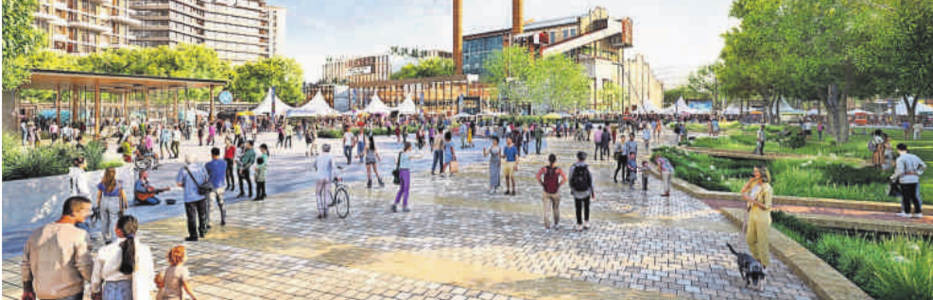
LONDON: A multigenerational community is being planned for a regeneration site on the edge of the harbour.
Sydney will get up to 8500 new harbourside homes after the NSW Labor government announced it would move bulk port operations off Glebe Island to make way for a major new housing development.
The precinct two kilometres west of the CBD will include the new Bays West metro station, along with 7000 to 8500 homes – at least 10 per cent of which will be reserved for affordable and essential worker housing. The White Bay Power Station will be used as the hub of a creative precinct.
Port operations unloading cement, gypsum and sugar at Glebe Island will cease by 2030 to make way for the new high-density housing precinct to be open in 2032.
The project will include the creation of a new agency to manage construction and long-term leases on the publicly owned land, with a $270 million transition package to improve road connections and investigate rail freight at Port Kembla.
After concerns from the business community that transformation of the Bays West precinct would end the last working port in Sydney Harbour, the Minns government decided to consolidate some port operations at White Bay. This includes salt imports; boat maintenance; marine construction; a base for tug boats and emergency services; and a staging area to support events, including the New Year’s Eve fireworks and Vivid.
The cruise terminal at White Bay will stay and deepwater berths will also be retained to allow access by the navy if required.
In addition to the metro station, the Bays West precinct will gain a new ferry wharf and be connected to Pyrmont by restoration of the old Glebe Island Bridge.
The Bays West precinct has been slated for redevelopment since the Minns government tasked former NSW Treasury secretary Michael Schur to assess its capacity for more houses. Premier Chris Minns foreshadowed it more than a year ago with warnings Sydney’s best housing options may “ruffle feathers”.
The Working Port Coalition warned that moving the port would be an economic mistake, disrupt supply chains and inflate construction costs by bringing building materials by road to Sydney from Port Kembla.
Minns said that “right above a new metro station and minutes from the CBD, we’re delivering thousands of homes where people actually need them – close to work, close to services and close to transport”.
“We understand that not everyone will welcome change, but cities don’t stand still. If Sydney is going to remain a place young people and families can afford to live in, we have to use well-located land better and plan for the future.”
On Monday, Minns raised eyebrows by suggesting that he would not be premier in 2032 when the Metro West line to Parramatta, which will serve the new Bays West station, opens.
“Well I won’t be here at least in this role,” he said at a press conference to mark the completion of tunnelling at Hunter Street station. He then qualified his remarks by noting, “I don’t know what the future holds … I might get beaten in 2027 at the next election.”
Of the new housing development, NSW Treasurer Daniel Mookhey said: “Bays West is about putting publicly owned land to work for the people of NSW – delivering thousands of new homes while keeping this strategic harbour site in public hands for generations to come.
“By transforming underutilised industrial land into a vibrant housing and jobs precinct, we are boosting housing supply close to the CBD while strengthening the state’s long-term economic capacity.”
Transport Minister John Graham said the plan “strikes the right balance of building thousands of well-located homes with world-class transport, while maintaining a functioning working harbour”.
“With the metro, ferries, walking and cycling – this will be one of the best-connected communities anywhere in Australia.”


