Caravan park a ‘retirement village for the damned’ as seniors seek shelter
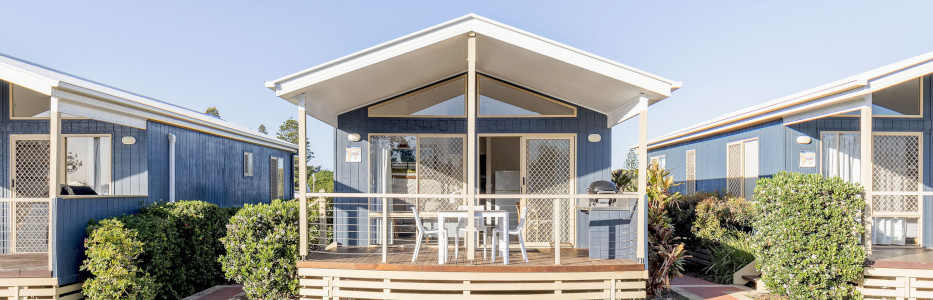
LONDON: A caravan park at the end of a cul-de-sac is the final safety net for seniors at-risk of homelessness.
Split between tourists and at-risk people, about 16 senior citizens call the Ballan park home at any given time.
“Some of them are going to die here,” Ballan Caravan Park management committee member and Moorabool councillor Paul Tatchell said.
“They don’t have enough money to be in an aged care home. There isn’t anywhere else to go.”
The caravan park has 34 beds, with half serving tourists and backpackers which then subsidises the deeply discounted rents charged to pensioners and people in crisis.
Mr Tatchell has privately funded the site for more than a decade, stepping in when the park faced closure and its occupants faced eviction.
Along with a small team of volunteers, park managers and local supporters, he has stitched together a refuge for people with nowhere else left to turn, investing more than $1 million to construct and renovate units.
“This is our community. Everyone’s got a story but the stigma that is attached doesn’t always reflect that,” he said.
“We look at people on a case-by-case basis and ask what they can afford.
“We provide housing, temporary or full-time. We’re not fancy. We don’t get any government support – we can’t get a politician near the place. I think we embarrass them, because this works.”
Beau Brekar came to the caravan park about 15 years ago, after the housing market priced him out entirely.
A former taxi owner and engineer from Coburg, Mr Brekar said the community was a lot different when he first arrived.
“The place was a dump when I came here,” he said. “The grass was a jungle. But Paul got involved, residents pitched in, and we all got together. It’s been improved a lot.”
At 75, Mr Brekar maintains a healthy lifestyle inside his modest, renovated unit. He gets his exercise, has regular check-ups with a local GP, and is currently restoring his 1972 Chrysler.
Without this place, people would have nowhere. – Ballan caravan park resident, Beau Brekar
“You’ve got to be a team player, otherwise you won’t exist,” he said.
“Housing has skyrocketed. Without this place, people would have nowhere.”
Caring for such a vulnerable cohort, however, means some live and die in the park.
Six residents have died over the years, with the team digging into their own pockets to finance burials.
But, most of the residents have been shining success stories.
“A lot of those people have moved on now since we’ve given them back some dignity,” Mr Tatchell said.
“They’ve got proper housing now, some have got jobs. But all they needed really was to give them a bit of dignity.”
While Mr Brekar represents the park’s long-term fabric, Mr Tatchell said the face of regional insecurity was rapidly changing.
Women over the age of 50 now represent Australia’s fastest-growing group experiencing homelessness – driven by a lifetime of lower wages, less super, and sudden relationship breakdowns.
“Ninety per cent of our residents would be female and over 50,” Mr Tatchell said. “We’ve had them up to 80 years old arriving with nothing. Not a cracker.
“They raised kids, looked after grandchildren, ran households, and then one day they look around and realise they own nothing, have no career behind them, and can’t afford aged care. This is their village. It’s a retirement village for the damned.”
Among them are women managing severe illnesses who would otherwise be forced into cars or makeshift camps.
“They’re disabled and if they don’t know services are available, they just die,” Mr Tatchell said.
“This lady had brain cancer and she didn’t know that she could go to the base hospital and get pre-medicated. So, she lived with this brain cancer till she died, because she didn’t understand the system.”
By first and foremost providing them with shelter and a safe community, Mr Tatchell said opportunities to connect with services could also be provided.
The ultimate goal is to set people up so they can get back on their feet and find long-term stability.
“My philosophy is simple: if you see someone hungry, feed them first. We’ll find out why they’re hungry later. If they’re cold and wet, put a roof over them,” he said.
“Treat people with dignity and remind them that somebody gives a damn. We don’t need to have another bloody meeting.”
Despite filling a void for survival, Mr Tatchell said the caravan park still faced relentless friction.
Planning schemes restrict permanent caravan residency, council rates continue to land in the letterbox each quarter, and regulations restrict the park from accepting donated food or bedding.
“This is what happens and governments don’t understand what they’re doing to people. They get in the way of people again and again – including local government,” Mr Tatchell said.
“Politicians talk endlessly about billions for housing strategies, but people are living in misery right now. If every country town set aside an area, put in tiny homes, and let people pay them off on their pensions, we’d fix thousands of desperate cases tomorrow.


