Class action investigation launched into herbicide links to Parkinson’s
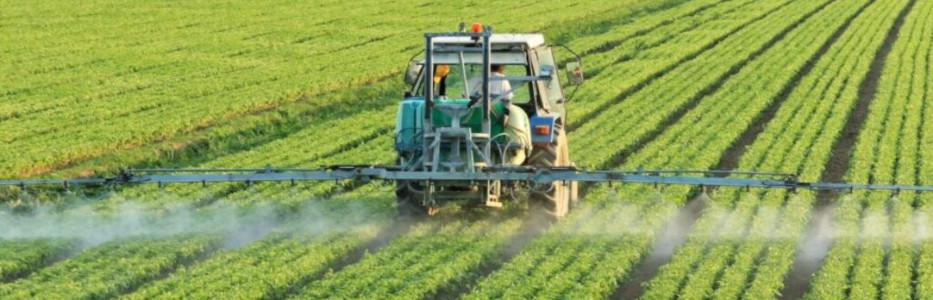
LONDON: A class action investigation is underway into alleged links between the herbicide paraquat and Parkinson’s disease.
Shine Lawyers said Monday there were potentially thousands of group members who had been diagnosed with the neurological disease following exposure to the commonly-used weed killer.
“There are more than 150,000 people living with Parkinson’s in Australia. People who have been diagnosed with Parkinson’s may have been exposed to Paraquat without even knowing it,” said Shine’s joint head of class actions, Craig Allsopp.
“Anyone working on farms or farm equipment, spraying Paraquat, or living near farms and wineries where Paraquat has been used, may have been exposed to the herbicide.
Surviving relatives of those who have passed away from Parkinson’s disease that may have been exposed to Paraquat are also encouraged to register.”
The investigation comes as recent studies have raised concerns about the potential link between paraquat and Parkinson’s disease, which according to the World Health Organisation is the fastest growing neurological condition.
Allsopp noted that more than 70 countries have banned paraquat following the research, including China and the UK.
“We are committed to investigating these serious allegations, identifying any wrongdoing and ensuring that those affected receive just compensation,” said Allsopp.
Parkinson’s Australia is petitioning the government to institute a ban here. The group said the herbicide posed a “serious health risk” to farmers, agricultural workers, and the general public.
“Research has consistently demonstrated the connection between paraquat exposure and Parkinson’s disease. And it doesn’t stop there. The chemical’s toxicity is so severe that even minimal exposure can have devastating effects,” it said.
Paraquat manufacturers, including Syngenta and Chevron, face legal action in the United States, with almost 6,000 cases pending in multidistrict litigation across US federal court. The cases allege prolonged exposure to the herbicide has led to the development of Parkinson’s disease in individuals.
Syngenta, which sells paraquat under the brand name Gramoxone, denies claims of a causal link with Parkinson’s disease.
“Despite decades of investigation and more than 1,200 epidemiological and laboratory studies of paraquat, no scientist or doctor has ever concluded in a peer-reviewed scientific analysis that paraquat causes Parkinson’s disease. Our view is endorsed in science-based reviews by regulatory authorities, such as in the US, Australia and Japan,” the chemical company says.
“Today, Parkinson’s affects millions of people around the world who have never used paraquat. While we have great sympathy for those suffering from the debilitating effects of Parkinson’s disease, it is important to note that paraquat is safe when used as directed, and that the scientific evidence simply does not support a causal link between paraquat and Parkinson’s disease.”


