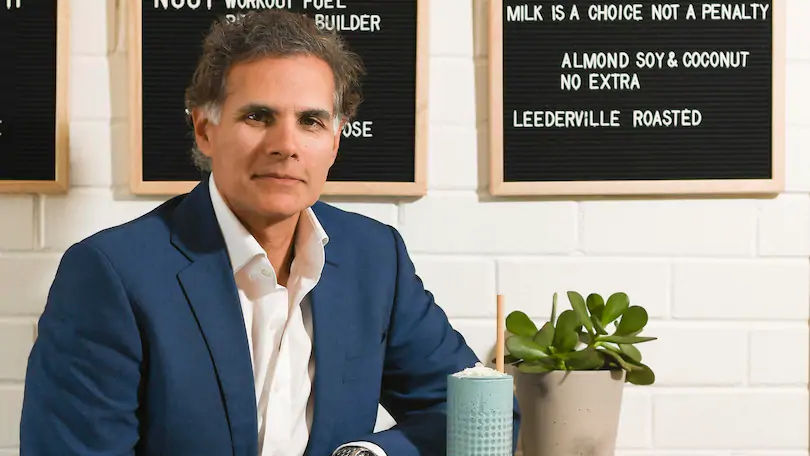
Entrepreneur Adil Bux’s wellness brand Nuut goes viral

MELBOURNE: It’s hard not to get excited when a company you’ve built from scratch hits the big time on UK television, but Perth entrepreneur Adil Bux is taking it all in his stride.
This, after all, ain’t his first rodeo.
After making his name as a DJ and bar owner, Bux made his fortune with high-profile wellness brands Invisible Zinc and WelleCo.
Elle “the Body” Macpherson famously promoted those two brands but a very different body is driving the success of Bux’s latest wellness company Nuut.
After a launch at London Fashion Week last year put Nuut on the radar in the UK, the company’s nutritional shakes were featured on ITV1’s Save Money, Lose Weight program last week to an audience of more than six million people.
The episode in question showed how a 34-year-old obese London woman lost nearly 13kg in 28 days by following the Nuut meal replacement plan.
And sales have skyrocketed ever since, with the company shifting 50,000 plant-based liquid meals in less than a week.
Though Bux considers Nuut to be a wellness rather than a weight-loss brand, he isn’t complaining about the free publicity.
“I’ve been really lucky, I’ve had a few good ones, but, just the fact it has now resonated with a large number of people, it’s heart-warming.”
Bux prefers to avoid the term “meal replacement”, which is synonymous with weight-loss shakes such as Optifast, and instead points to the more contemporary “complete nutrition” trend pioneered by the likes of Silicon Valley post-food darlings Soylent.
But where Soylent takes pride in being nothing more than utilitarian fuel to enable coders to pull all-nighters without having to stop to shove food in their face holes, Nuut prioritises things like taste and an environmentally conscious ethos.
Every order includes a postage-paid envelope to allow customers to return their used shake sachets for recycling.
“It costs us a fortune,” Bux admitted.
But it’s a strategy he hopes will play well to people in Europe and the US, who already show a preference for products hailing from this part of the world.
“There’s an advantage to hailing from Australia because it’s seen as a premium origin point for wellness brands,” Bux explained.
“So, we think we can start competing with (companies such as Soylent and Huel) on a global basis within 18 months.”