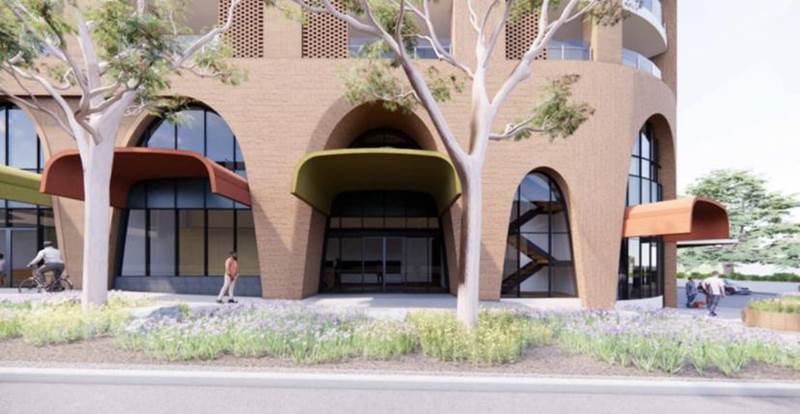
Major project to house homeless and disabled given tick of approval
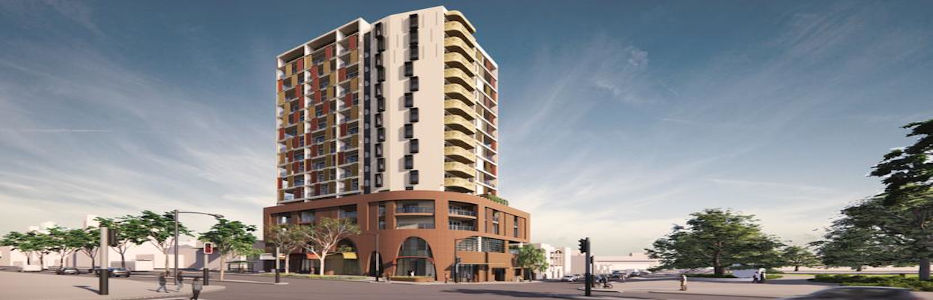
LONDON: A major project to house homeless, the disabled and the over 60s in housing trouble is now set to proceed.
Perth’s rough sleepers and low-income earners are about to have affordable housing on their doorstep with a $34.5 million social and supportive housing complex set for construction along Wellington Street.
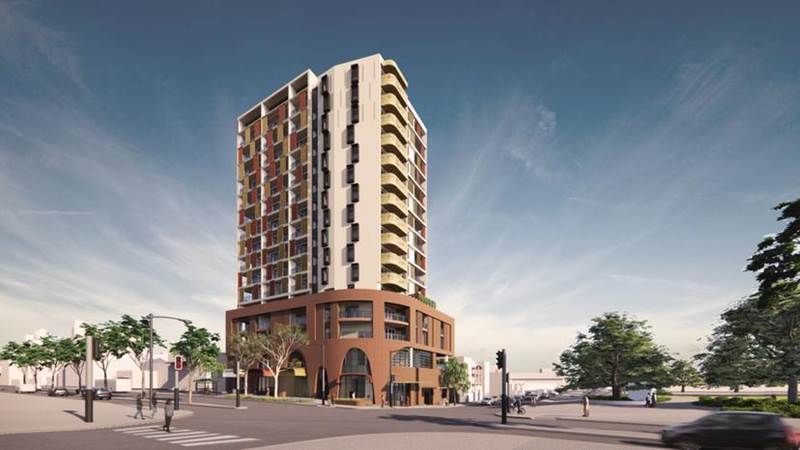
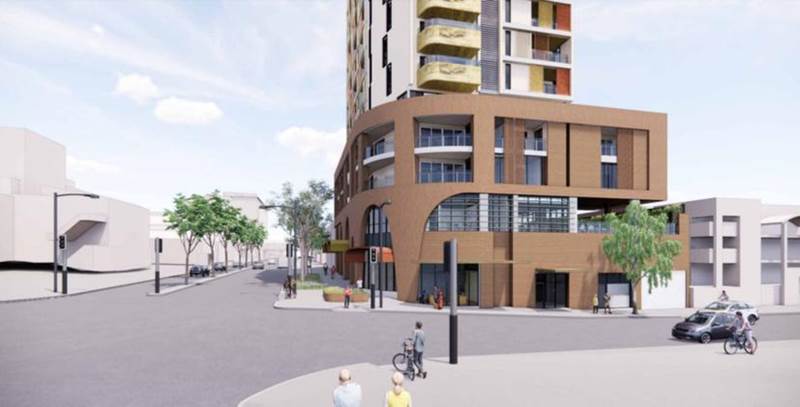
City of Perth Local Development Assessment Panel members approved the plans put forth by the State Government on Tuesday for a Common Ground tower comprising 112 units over 17 floors – including 83 social housing apartments and 29 supportive housing apartments – at 146 Wellington Street in East Perth.
Communal amenities, five commercial tenancies, on-site service provider office spaces and 20 commercial tenant car parking bays will also be built at the site.
The site has been vacant and is bordered by a four-level residential apartment complex on Hill Street and the two-storey Perth Fire Station complex on Wellington Street.
According to Gresley Abas Architects design leader Jonathan Lake, who spoke on behalf of the landowner, the development would increase permanent and supportive housing for people who had experienced chronic homelessness or rough sleeping.
“The Common Ground model aims to … reduce the use of criminal justice services by people experiencing chronic homelessness, reduce the use of emergency departments by people experiencing chronic homelessness and reduce time to access permanent housing and reduced re-entry into homelessness,” he said.
“A service provider is located on-site providing and co-ordinating a range of individually tailored wrap-around support services to residents.”
Mr Lake said the target group for the supportive housing cohort were men and women aged 18 years and over, who were current or former rough-sleepers with complex needs relating to health, mental health, alcohol, drugs, trauma and other issues.
“Common Ground will not cater for all people within this cohort, specifically it is not intended to target families or households including children, and young people,” he said.
He said other Common Ground facilities had been built around the nation – including in Brisbane, Melbourne, Sydney, Hobart and Adelaide – and were “generally successful”.
“These facilities have been evaluated and found to have been generally successful in assisting people who were previously homeless to maintain permanent housing and to provide value for money for government by reducing costs and usage of other government services such as police, the courts and hospital emergency departments,” Mr Lake said.
His comments come after Seven West Media reported last week that several local homeowners and businesses had formally objected to the Wellington Street tower, which they claim will move the CBD’s homeless problem to their doorstep.
East Perth residents near the planned Common Ground facility claim the inhabitants — many suffering from mental illness — could scare or harm children at Wellington Park across the road, and at nearby Mercedes College.
“The social issues that are inevitable when there is a high concentration of people with mental problems will make the playground, and indeed the entire surrounding area, unsafe,” said one resident in a submission to the JDAP.
Ironically, another neighbour noted that overshadowing could affect the mental health of neighbouring residents.
“I do not wish to have my unit overshadowed by a building that is too high and will impact on my enjoyment, my quality of life and ultimately my mood and mental wellbeing,” the resident wrote.
One resident said the “ridiculous” design of the tower could lead to noise disturbances involving shouting inside the building’s corridors.
There were also fears of increased drinking and mess at Wellington Park, which has just undergone a multimillion-dollar makeover.
The applicant addressed concerns relating to overshadowing, privacy, acoustics and traffic, but said all other issues were not valid planning considerations.
But LDAP presiding member Ray Haeren said on Tuesday that facilities like Common Ground complexes offer “far less issues” than what the community could expect in a normal environment.
“I’m an advocate of this particular model,” he said.
“Homelessness in the city has been an issue and facilities like this not only provides accommodation but facilities to help people get out of those cycles.”
-
- Artist impression of Common Ground tower in East Perth
-
- v
-
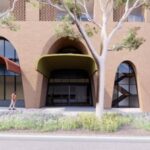
- Artist impression of Common Ground tower in East Perth