New tool to help recognise depression

ADELAIDE: Researchers at the George Institute for Global Health believe they have developed a culturally appropriate depression screening tool for Aboriginal and Torres Strait Islander people according to a new study.
The tool was developed in partnership with key Aboriginal and Torres Strait primary care providers who conducted the validation study in 10 urban, rural and remote primary health services across Australia with the use of an adapted version of the existing 9-item patient health questionnaire (PHQ-9) used across Australia.
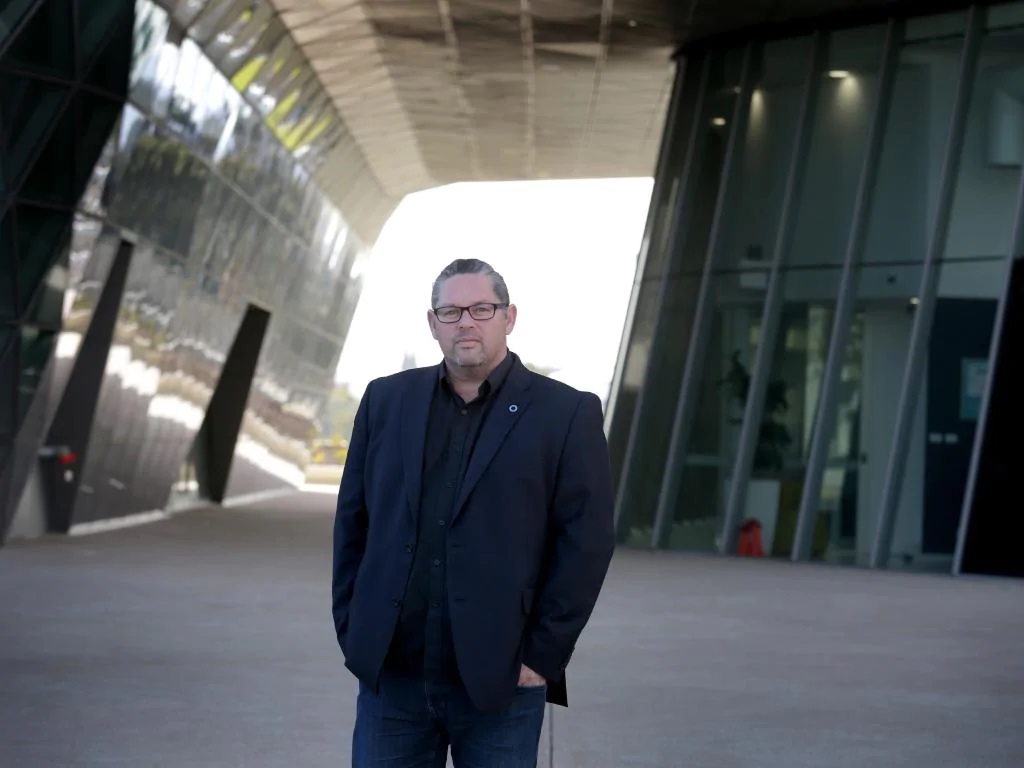
Professor Alex Brown, an Aboriginal medical doctor and researcher at the South Australian Health and Medical Research Institute was responsible for the adaptation of the tool in the first place between 2006 and 2009 when he was based in Alice Springs.
“We did that work, the adaptation with Aboriginal people from multiple language groups around Alice including a whole bunch of qualitative work talking to Aboriginal men about stress and worry, grief and loss and how that may relate to how we understand how depression may exist or express itself in Aboriginal people in Central Australia,” Professor Brown said.
“There were definitely ways of understanding what depression looks like, how it would be talked about in Aboriginal communities and a lot of it related to weakness or sadness of someone spirit.
“So there were different ways of negotiating a conversation between those two ways of knowing, but it takes work to do it with communities and expertise, but particularly with Aboriginal bilingual language experts.”
The latest study, ‘Getting it Right’ by the George Institute is based on the research in Central Australia, and believes their adapted screening tool not only works, but should be rolled out across the country.
Professor Maree Hackett of The George Institute for Global Health said the tool will help them to address easily treated problems that often go undiagnosed and help them to assess the scale of mental health problems in communities.
“Up until now, we couldn’t reliably ascertain this in a culturally appropriate way, which has remained a huge concern. We need better resources and funding for mental health across Australia, but particularly for Aboriginal and Torres Strait Islander people and within under-resourced health services,” Professor Hackett said.