Over-60s are now proving to be the wildest generation
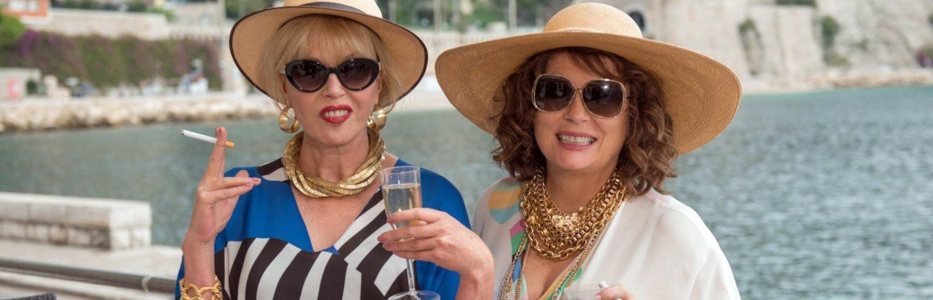
LONDON: Gransnet, the popular social networking site for grandparents, is aflame. Not with disputes over how to roast a chicken or subdue a pack of feral toddlers, but with the question of whether joining Palestine Action is morally acceptable or not.
And this, rather than student unions or the hipster bars of Dalston in east London, is the place to be debating it, as baby boomers take up the cause of an organisation that was banned under terror legislation last month.
New figures from the Met Police reveal that, of the 532 people arrested for supporting Palestine Action in London earlier this month, the average age was 54 but the largest group was people in their 60s (147 arrests), closely followed by 97 arrests of those in their 70s. Twentysomethings, long thought to be the natural foot soldiers of protest, trailed in third place with just 54 arrests.
“It’s important to remember these people came of age in a period obsessed with social justice,” says Bobby Duffy, an academic and author of The Generation Myth: Why When You’re Born Matters. “They had the spirit of May 1968, [a period of civil unrest in] France, behind them, and experienced regular protests against the status quo in the UK and US. Retirement also gives you more time – there’s a squeezed middle of people too busy with work, children, mortgages and ageing parents to look outward. But when you’re young and when you’re old, you have the space to focus on what you really care about.”
Patricia, 75, has spent decades on the picket line protesting against nuclear weapons and the Iraq war, and for abortion rights and marriage equality. Joining Palestine Action, she believed, would have been the logical next step. “We’re the right people to be doing it,” she says. “I’m not planning to become a lawyer or travel to America, so the worst-case scenario of a criminal record doesn’t really affect me.” But in the end it was her millennial children that intervened. “My daughters were so upset by the idea I might be arrested that I reconsidered.”
Increasingly, we are all having to upend our notions that protest is the preserve of idealistic undergraduates. Many of the marches against Donald Trump have seen retirees outnumber students, while the Extinction Rebellion protests have been almost as thick with grey hair as pink. Who could forget the photographs of a then 60-year-old Emma Thompson perched on a boat in Oxford Circus a few years ago?
“I have often said that baby boomers are going to fundamentally reshape what ageing looks like,” says Jennifer Ailshire, a professor of gerontology at the University of Southern California. “We had the stereotype of a grandma knitting or an old fellow gardening because we have associated ageing with frailty and ill-health and a lack of ability to be out in social spaces. Boomers are the first generation in the history of the world to have really benefited from new medical interventions and advice on how to stay fitter for longer, and as a result a great number feel younger and seem younger than those who came before them.”
Duffy agrees that health is the largest reason for this culture-changing shift. “Life expectancy in the UK is now over 80; for many, that means a second act spanning decades,” he says. Another important factor is wealth. “This generation of retirees has far more disposable income than any other. They benefited from rising house prices, golden economic conditions, generous final-salary pensions and free higher education. That creates the means to have an unusual level of freedom.”
The third is attitudes. “This is the post-war generation that drove changes in gender equality, sexual behaviour and individual freedom,” says Duffy. “They’re distinct from their parents in almost every social measure so it’s no wonder they are approaching old age with a very different mindset.”
This last point is evidenced by the fact that boomers are wilder in their politics – and their pleasures. This is in comparison to both the silent generation and (somewhat shamingly for anyone under 40) their own adult children. Around Britain, millennials and older Gen Zs – who have largely moderated their drinking and swapped clubbing for 6am yoga classes – are quietly watching their parents’ social calendars and holiday plans completely outpace their own.
Lucy, 33, now refuses to have dinner with her parents during the week. It’s not because she is too busy, or because she has too much on to leave work on time. It’s not even because they live too far away – after they retired, her parents sold the family home in Wimbledon and bought a two-bedroom flat in Bloomsbury so they could be closer to the best restaurants and bars in the capital.
“I can’t see my parents because I can’t take the hangovers at my desk the day after,” says Lucy. “My friends and I tend to stick to one or two drinks, or we meet up to exercise if it’s a Monday or Tuesday, but my parents ply me with cocktails and wine and when I refuse they joke about me being pregnant. I love them to bits but I’ve realised I need to limit my time with them to weekends. They’re just too much for me.”
This isn’t just anecdotal. Baby boomers now drink more alcohol than any other age group, according to figures from the now defunct Public Health England. Studies show that three in 10 boomers drink five days or more a week, while less than 1 per cent of Gen Z does the same.
“Alcohol drinking is incredibly generational,” says Duffy. “It’s about what you were socialised into, but also other changes: it is more difficult and more expensive for young people to get alcohol, whereas boomers were brought up on the idea that going out means drinking. Back then, there was massive sponsorship of big events by alcohol companies, and the advertising of alcohol was embedded everywhere; now young people tend to associate heavy drinking with health problems.”
As for going out, Ailshire argues that boomers have always been a particularly social generation. “Younger adults today have far less time for leisure, and the idea of a single-earner household has almost completely gone out the window,” she says. As a result, millennials are struggling to pay childcare bills and mortgages, and simply don’t have the money for babysitters and restaurants. Similarly, those in cities often don’t have space in their houses for dinners and parties. “Then there is the fact that phone addiction eats up so much of younger generations’ free time,” says Ailshire. “It all adds up to a picture where over-60s are socialising much more than those coming up behind them.”
And where drinking goes, other traditionally “bad” behaviours often follow. The over-65s have experienced a 20 per cent rise in STIs in the UK in the last five years, while in Australia, a government report this year found that alcohol, tobacco and drug use among the over-60s had doubled in a decade.
Globally, the pattern repeats itself. In France, Les Papy Boomers have become a political force, organising environmental protests from Marseille to Paris. In the US, the “Raging Grannies” have made headlines for turning up at demonstrations in feather boas and floppy hats, singing protest songs rewritten to target companies in the fossil fuel industry. In Japan, a wave of “silver start-ups” has seen retirees launching fashion brands, dance studios and even underground nightclubs.
Boomers, in other words, are not quietly retiring to potter around the garden and watch Midsomer Murders. And while younger generations may be physically fitter and more socially progressive on paper, they are finding it difficult to match the heady mix of financial freedom and healthy, work-free years their parents are clearly benefiting from.
What remains to be seen is whether this is a generational anomaly – the final flourish of a cohort born into a rare period of post-war prosperity who went on to dominate the culture of nearly every decade they have been adults in – or whether it is the new template for ageing in the 21st century.
“I think sadly this is unique to the boomers,” says Ailshire, who was born in 1981. “I just don’t think we will be able to retire at the age baby boomers have, and nor will many of us have the same level of wealth when we are no longer working. The boomers are the aberrant generation – and I’m not confident that the concept of a wild retirement will endure much beyond them.”


