Research shows more tiny homes found non-compliant with national code
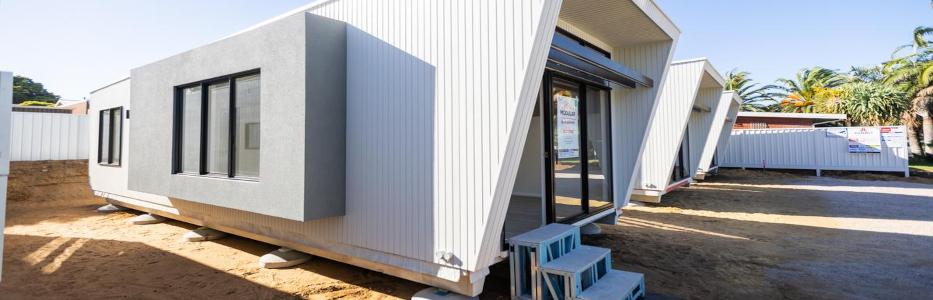
LONDON: New research reveals an increasing non-compliance trend in the burgeoning tiny homes market across the country.
The City of Albany has issued a warning to residents about buying prefabricated tiny houses online, saying many of the dwellings being delivered to Albany do not comply with the National Construction Code.
The city said last week while it supported and encouraged “innovative and affordable housing solutions”, these dwellings must be safe, structurally sound, fit-for-purpose, and compliant with the national code.
The National Construction Code sets out a minimum standard for building design and construction, assessing safety, accessibility, sustainability, and durability.
While low up-front costs and ease of construction may seem appealing as house prices soar, the city is urging residents to make sure their dwelling complied with the code to avoid being left thousands of dollars out of pocket and unable to use the building.
City of Albany chief executive officer Andrew Sharpe said a bit more research into manufacturers and compliance requirements could go a long way.
“We’re seeing residents purchase these structures expecting they can be used as work-from-home offices, art studios, granny flats or additional rooms for children,” he said.
“However, many of these products are not compliant and cannot be approved for habitation, leaving some residents disappointed, frustrated, and out of pocket.
“Residents are encouraged to seek reputable Australian manufacturers producing fully compliant prefabricated dwellings that offer safe, certified, and ready-to-use solutions for a variety of residential and ancillary purposes.”
If a tiny home is found to be non-compliant, owners can be required to undertake upgrades to get it up to standard, which Mr Sharpe said could often be expensive.
These upgrades can include certification by a structural engineer, compliant roof and wall cladding, energy efficiency compliance, and bushfire attack level readiness.
Plumbing, electrical systems, glazing, concrete, structural steel, and timber components must all meet Australian standards, and an appropriate termite management system is also required.
The city is encouraging residents looking to buy a tiny home to ask for proof of National Construction Code and Australian Standards compliance before they buy.


