Rethinking rentals as a fix for housing shortage
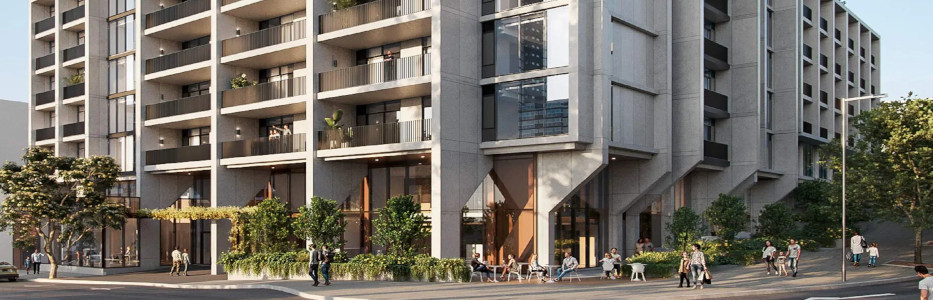
LONDON: As home ownership becomes increasingly unaffordable, long-term rental models are gaining attention as a potential solution to Australia’s housing crisis. While rental-focused housing such as build-to-rent developments offers benefits in stability and density, challenges around cost, scale and institutional ownership raise important questions about its role in Australia’s housing future.
Home ownership has long been central to Australia’s cultural identity, but for many people it is slipping further out of reach, and renting is no longer just a short stop on the way to buying. Treating housing primarily as a wealth-building asset has inflated prices and impacted affordability. As a result, the idea of long-term renting or even renting for life is emerging as a pragmatic alternative for many households. Long-term rental models that build-to-rent developments offer challenge the assumption that ownership is the only path to housing security, suggesting instead that stability, location and affordability may matter more than a ‘home on a block of land’.
Build-to-rent: What it promises
Build-to-rent developments, where entire apartment buildings are developed, owned and managed by a single entity, are often presented as a solution to Australia’s rental insecurity. Offering longer leases, better designed housing, professional management, and life-long maintenance, these projects address many of the frustrations renters face in the traditional rental market. From a planning perspective, build-to-rent also supports higher-density living in well-located areas, potentially increasing housing supply where it is most needed. Long-term rental also works best when integrated into a diverse housing system that includes ownership, social housing and affordable housing options.
The affordability contradiction
Though build-to-rent developments add to rental housing stock in urban areas, they are yet to deliver meaningful affordability gains. Most projects currently rent apartments at a premium, often charging above-market rates to satisfy institutional investors. Rather than easing pressure on renters, this can reinforce affordability challenges, blocking lower- and middle-income households from accessing this rental stock. Though build-to-rent is projected as a solution to boost housing supply supported by a significant pipeline of new projects, especially in Sydney and Melbourne, this sector currently represents only a tiny fraction of Australia’s rental properties, limiting its ability to influence broader market outcomes.
Lessons from overseas markets
For long-term rental to play a meaningful role in solving Australia’s housing crisis, the built-to-rent sector must operate at scale. This presents a challenge because large build-to-rent developments require significant upfront capital and long-term confidence in rental returns. In countries such as the United States, institutional investors dominate urban rental markets across both apartments and houses. While this has increased rental supply, it has also concentrated ownership and, in some cases, driven up prices, making affordability very problematic for renters. If Australia follows this path without safeguards, long-term rental developments could place too much housing stock in the hands of large investors.
From build-to-rent to rent-to-own
One of the enduring criticisms of long-term renting is the lack of pathways to home ownership. In a system where renters are effectively paying off someone else’s mortgage, new financial models could help bridge this gap by converting rental payments into payments for ownership. Rent-to-own mechanisms could provide greater housing security while retaining the flexibility of renting. However, such models require cooperation between government, financial institutions and the private sector.
A cultural shift already underway
Australia is slowly moving away from the idea that a detached house on a large block of land is the only desirable housing outcome. Apartments, particularly those offering amenity, community and proximity to jobs, shopping and transport, are seeing greater acceptance from people. Long-term renting fits within this shift, especially for younger households and downsizers in well-connected and well-serviced neighbourhoods. Yet cultural change alone will not solve structural affordability issues.
Conclusion
Long-term rental is not a silver bullet for Australia’s housing crisis, but it can form part of the solution. Its success depends on scale, affordability, design quality and safeguards against excessive concentration of institutional ownership. Without these, it risks becoming another premium product rather than a genuine affordability mechanism.


