Smart glasses with AI guide dementia sufferers through daily life
LONDON: It was designed to help people with dementia live independently, but it turns out the AI assistant is also an expert on tasty treats.
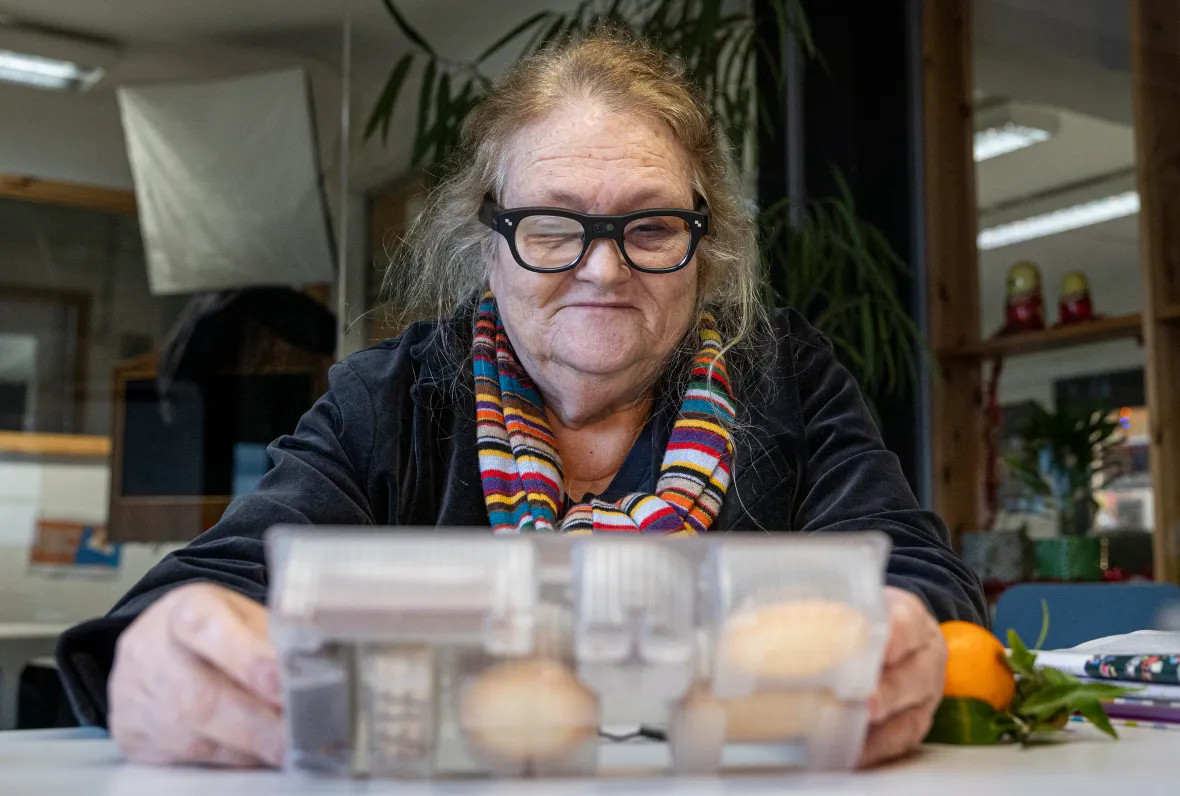
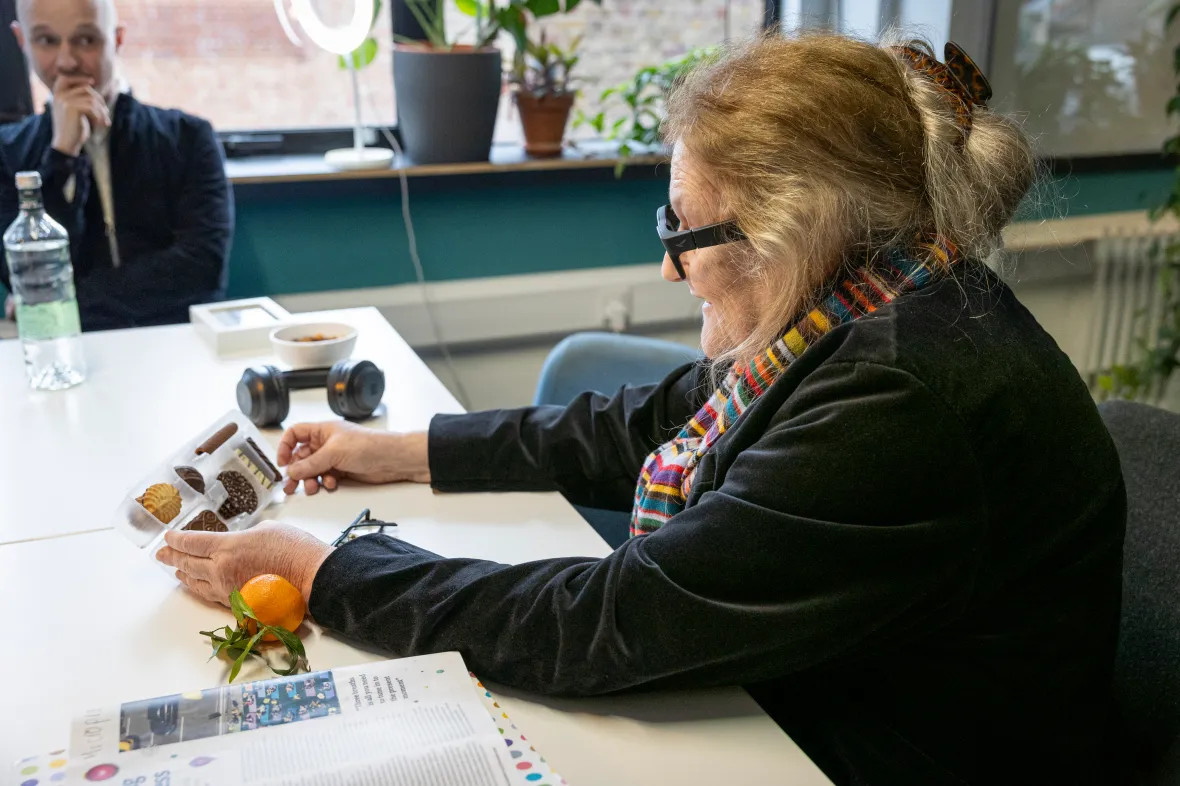
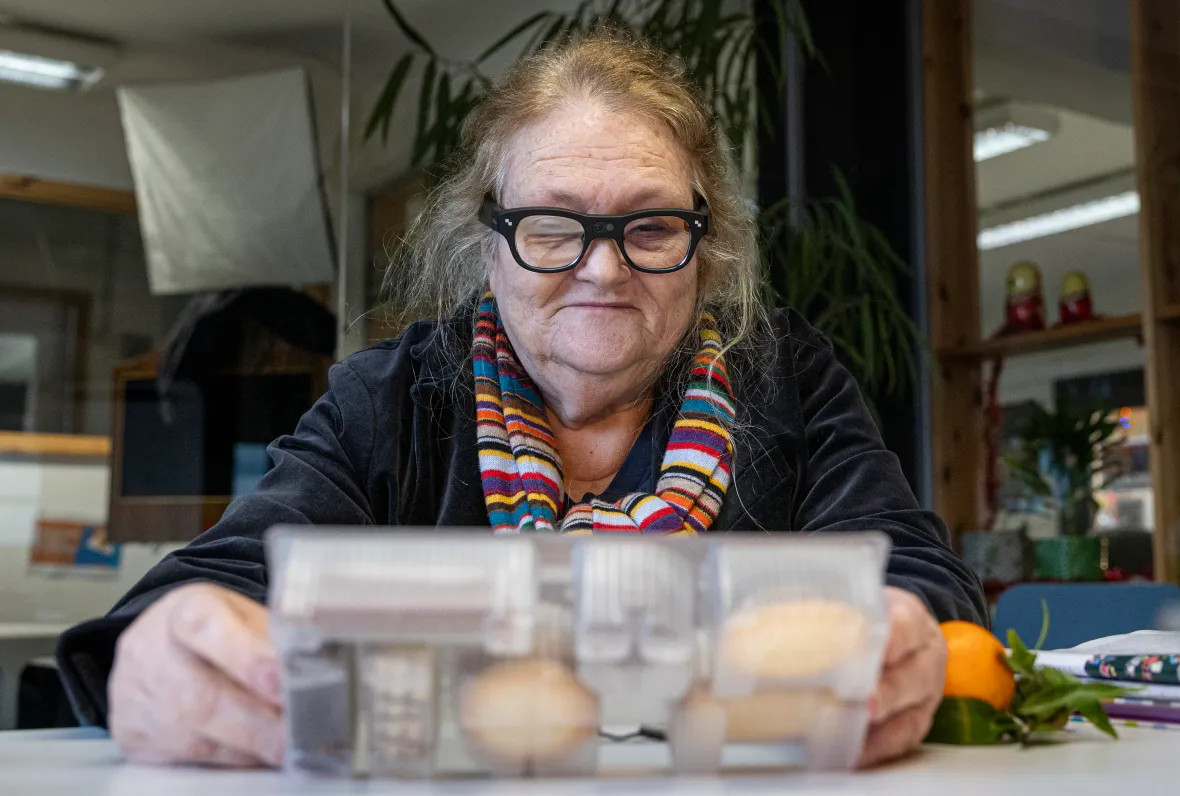
“What are these biscuits on the table?” asked Rosalind Tranter, 68, a retired dentist in the early stages of vascular dementia. She was wearing a pair of dark-framed smart glasses equipped with CrossSense, a new AI tool that aims to help those with dementia navigate the world.
“There are five different types,” a female voice with a soft Scottish accent replied through the speakers in the arm of the spectacles. “Some are chocolatey, some are crumbly. There’s shortbread in the corner. And there is some white chocolate.”
With a microphone and cameras in the frame of the glasses and a live display integrated into the lenses, CrossSense aims to transform the lives of many of the million people in Britain with dementia.
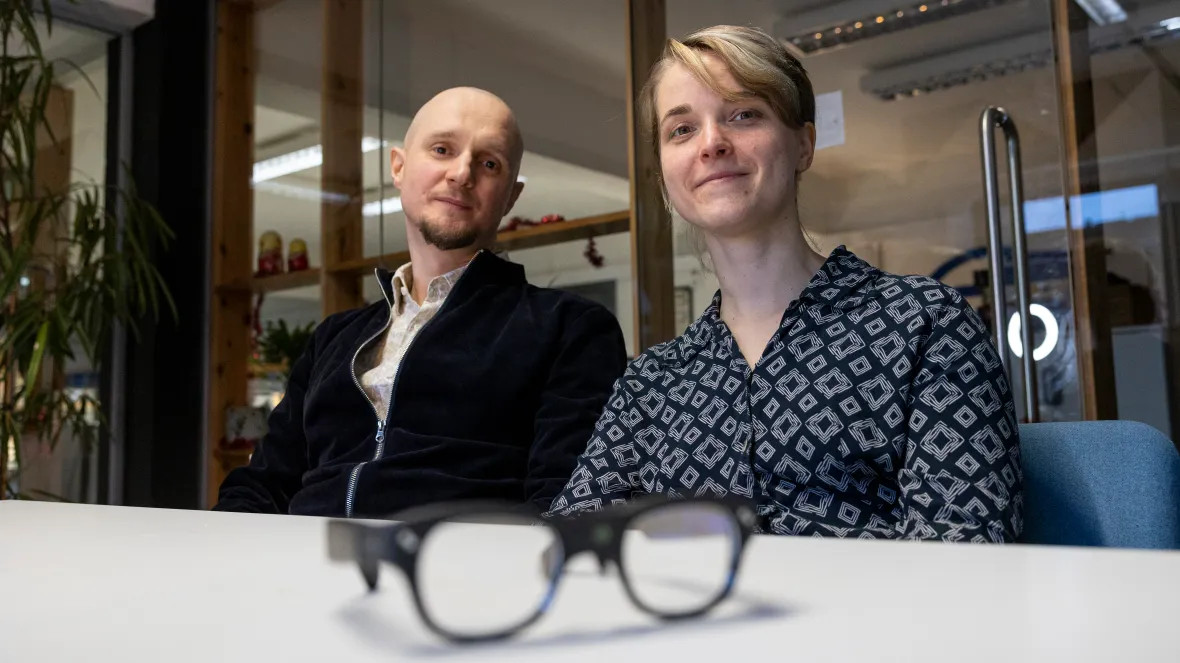
Developed by Animorph Co-operative, a worker-owned technology company in north London, the software helps guide people with dementia. It not only identifies the food in front of the user — arguably a helpful tool for any of us — but also can tell them where they have left their keys, help them operate the heating and remind them of medical appointments.
Eszter Muray, Animorph’s product designer, said: “You might say, ‘Oh, I need to go and get a haircut.’ Maybe you’re not explicitly telling the glasses ‘set me a reminder for this’, but it overhears it, and it’s able to prompt you later to make the appointment.”
It can even remind the user of the name of the person in front of them by first logging the identity of important individuals, such as a visiting carer, doctor or family member.
When asked if the weather was good for a walk, while looking out of the window of Animorph’s Finsbury Park headquarters, the software replied with a poetic lilt: “The weather is holding its breath. A walk would be good — but remember to take a jacket.”
It also identified the species of houseplants in the open-plan office, and how much to water each one.
The technology is one of five projects shortlisted for the Longitude Prize on Dementia, which aims to promote and fund technologies to help people with dementia stay in their own homes. After a global search from 2022, last year the five finalists were each given £300,000 to develop their solutions.
The recipients include SenS2, a British-designed wifi hub that monitors user movement patterns without the need for invasive cameras; Australia’s MemoryAid, a simplified phone handset designed to help users stay in touch with loved ones by video call; Theora 360, an American project that detects and predicts falls; and Autonomous, an app developed in Portugal that monitors home routines to ensure safety, such as ensuring the hob is turned off.
In March the single winner of the £1 million grand prize will be announced.
Natasha Howard-Murray, head of innovation at the Alzheimer’s Society, which is funding the prize alongside Innovate UK, said one in three people born today are forecast to develop dementia. “At the Alzheimer’s Society we fund millions of pounds of world-class research looking at future drugs and treatments. But while we’re waiting for those to be developed, we’re looking at how people with dementia are living now. We’re really exploring how we can help people live safely in their homes and avoid them going into hospitals.”
Rosalind Tranter, the retired dentist living with dementia, said CrossSense could provide a lifeline. Her own mother, Lilian, also had dementia, and Tranter said she did not want her son, Joshua, 30, to have to care for her in the same way. “My mum was a runner,” she said. “She would get out and couldn’t find her way home.”
Tranter helped to test CrossSense. She said she had lost patience with “infantilising” care models provided by community organisations. “I can’t stand the sing-song approach of caring for people — I’ve done all that, I’ve gone to all the sessions at the community centres to sing Beatles songs. I’m not interested,” she said.
“What I want is to stay living in my flat and not be a burden to my son. And I think technology like this can help do that. It can help me stay independent. And it is not speaking down to me.”
Szczepan Orlins, software architect and developer at Animorph, said: “What we say is that we will defy dementia, not just mitigate it.”
He explained that his team’s vision had been aided by the recent development of ultralight smart glasses and huge leaps forward in AI models. When they started developing the idea a decade ago, they used cumbersome virtual reality helmets; these have now evolved into goggles and even trendy smart glasses like those made by Ray-Ban, Oakley and other high-end fashion companies.
The AI software is set to go on sale as an app by the end of the year on a subscription model that Animorph expects to cost roughly £50 a month. It would be installed on smart glasses that currently cost upwards of £700.
There is, however, a small glitch with the software.
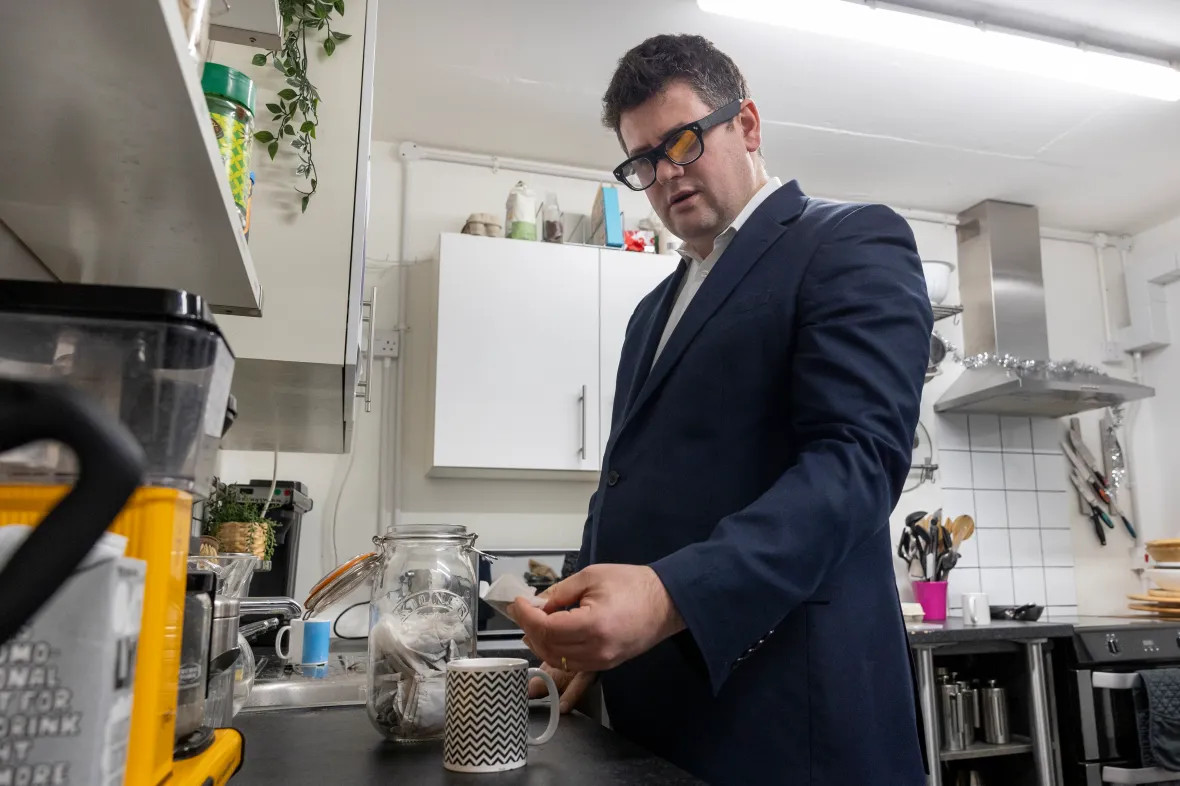
In the kitchen, CrossSense explained how to safely make a cup of tea. It even advised sniffing the milk to make sure it had not gone off. But then it added: “Wait for the water to boil then pour it into the cup. Then add the teabag.”
Muray looked embarrassed. Few users are likely to accept the advice that the water should go in before the teabag.
“Sometimes it hallucinates,” she admitted, insisting that any further cultural glitches will be ironed out before release.